

Holidays
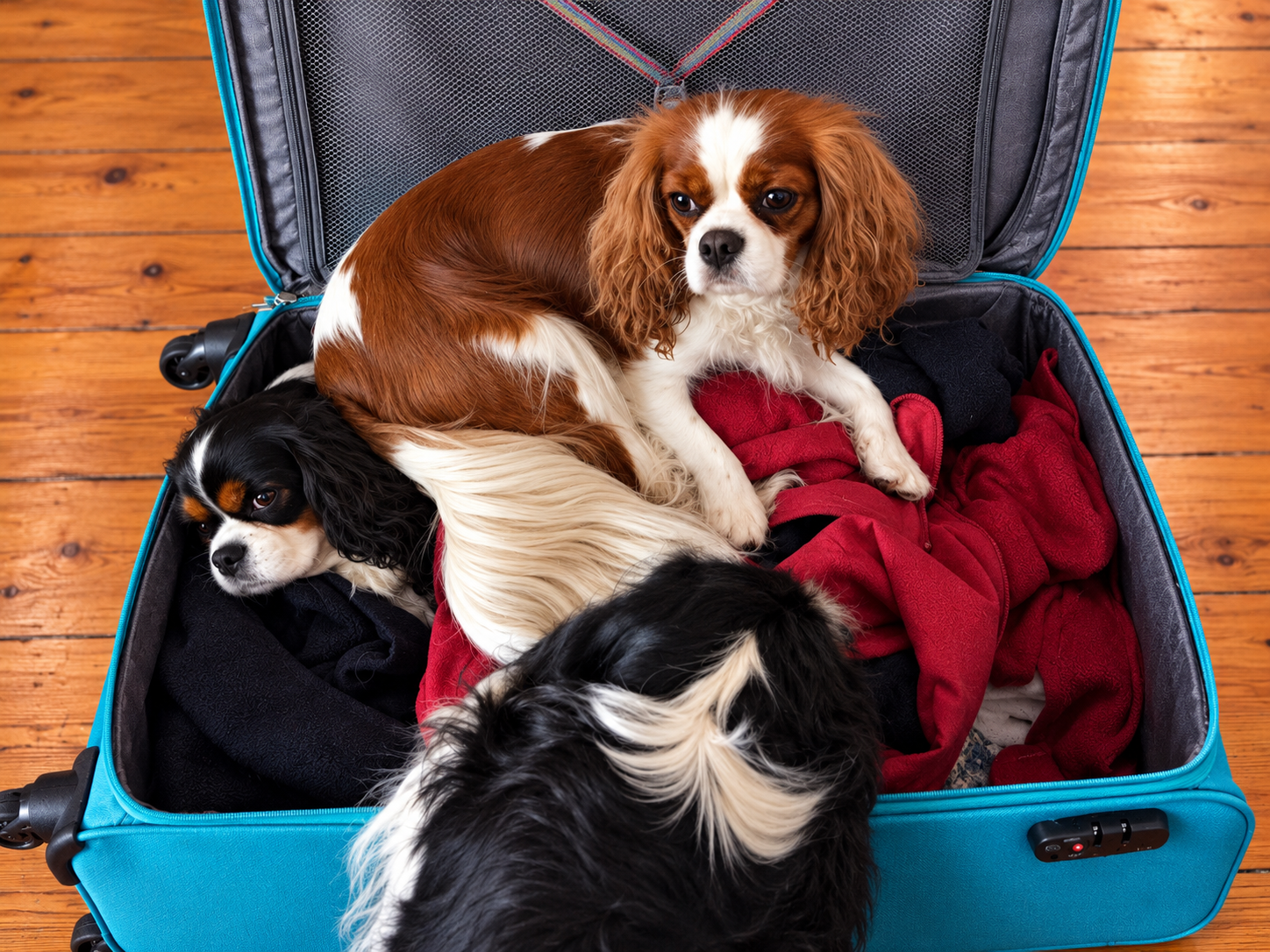
Holidays and Cavalier King Charles Spaniels
Holidays and celebrations are a wonderful time to spend with family and friends, and many Cavalier King Charles Spaniels love being part of the action.
However, holidays can also bring unfamiliar people, changes to routine, visitors, decorations, unusual foods, loud noises, hot weather and increased activity around the home. These changes can create risks for dogs, even those that are normally relaxed and well behaved.
With a little planning, you can help your Cavalier enjoy the holiday season safely and comfortably. The best holiday experiences for dogs are not necessarily the busiest ones. Your Cavalier may enjoy being included in family activities, but they should always have access to a quiet, comfortable place where they can retreat when they need a break.
Photo credit: Cavalier King Charles Spaniel Club (Queensland)
Try to maintain as much of your dog's normal routine as possible, including:
Regular mealtimes
Normal food
Exercise
Toilet breaks
Sleep and rest
Medication
Enrichment
Familiar bedtime routines
Keeping familiar routines can help reduce stress when the household is busier than usual.
Visitors and guests
Many holidays involve visitors, parties and gatherings. While some Cavaliers will happily greet everyone at the door, others may become overwhelmed by unfamiliar people, children, noise and activity.
Give your Cavalier the choice of whether to interact with guests. Never force your dog to be patted, cuddled or handled by someone they are uncomfortable with.
Children should also be taught how to interact appropriately with dogs. A child should never be allowed to climb on, hug tightly, chase or disturb a dog that is eating, sleeping or trying to move away.
Create a quiet retreat
Before guests arrive, establish a quiet area where your Cavalier can rest undisturbed.
This might be:
Their usual bed
A quiet room
A crate, if your dog is already comfortable using one
A designated area behind a baby gate
A familiar part of the house away from visitors
Place familiar bedding and perhaps a favourite toy in the area. Make sure everyone understands that when your Cavalier is in their quiet space, they should be left alone. A retreat should be a safe place, not a punishment area.
Watch doors and gates
An open front door can present a significant escape risk. A Cavalier that normally remains safely inside may run through an open door if startled, excited or distracted. This is particularly important during parties and gatherings when people may be coming and going frequently.
Consider:
Keeping your Cavalier in another secure area while guests arrive
Using a baby gate or closed internal door
Checking gates before allowing your dog outside
Ensuring your Cavalier wears identification
Making sure microchip registration details are current
Never assume that your dog will behave exactly as they normally do in an unusually busy environment.
Holiday food and your Cavalier
Food is one of the most common holiday hazards for dogs. Family gatherings often mean more food is available, leftovers are left unattended and guests may unknowingly offer dogs something that is unsafe. The safest approach is to ensure everyone knows that your Cavalier should only receive food that you have specifically approved.
Foods that can be dangerous to dogs
Some foods commonly found during celebrations can cause serious illness in dogs.
These include:
Chocolate
Grapes
Raisins and sultanas
Onions
Garlic
Chives
Foods containing xylitol
Alcohol
Macadamia nuts
Raw yeast dough
Certain foods containing excessive amounts of fat
Chocolate can be particularly tempting during Easter, Christmas and other celebrations. Keep chocolate well out of your dog's reach, including chocolate hidden in children's Easter baskets or stored in accessible cupboards.
If you suspect your Cavalier has eaten something potentially toxic, contact your veterinarian or an animal poison service immediately. Do not wait for symptoms to appear.
Be careful with leftovers
Rich holiday meals can be difficult for dogs to digest. Fatty foods and sudden dietary changes can cause gastrointestinal upset and, in some circumstances, contribute to pancreatitis. Avoid giving your Cavalier fatty meat scraps, heavily seasoned foods, gravy, sauces or large quantities of leftovers. Bones can also present serious hazards, including choking, gastrointestinal obstruction and injuries to the mouth or digestive tract.
Do not give cooked bones to your Cavalier.
Ask guests not to feed your dog
Well-meaning guests may assume that a small piece of food cannot hurt. Unfortunately, dogs do not understand that holiday food is supposed to be an occasional treat, and multiple guests can quickly add up to a significant amount of unsuitable food.
A simple rule is: “Please don't feed the dog unless we give it to you.”
If you want your Cavalier to participate in the celebrations, provide guests with appropriate dog treats that you have selected.
Christmas and Cavaliers
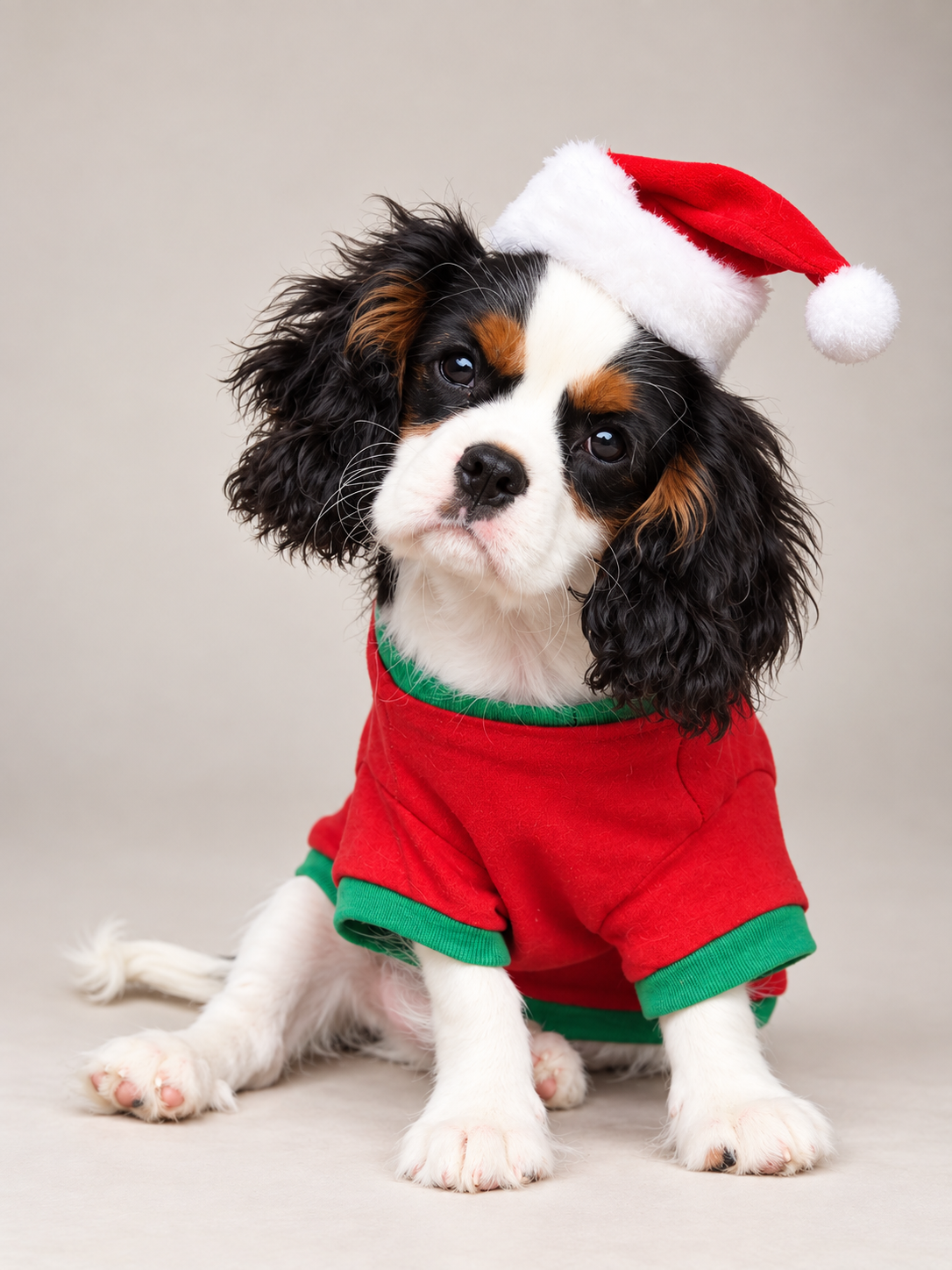
Pictured: Austen. Photo credit: Bronwen Gordon
Christmas can introduce a number of additional hazards. Christmas trees, decorations, presents, wrapping paper, food and electrical cables can all attract a curious dog.
Christmas presents
Some presents can pose risks to dogs. Keep wrapped gifts containing food, toys, batteries, medications or other small objects out of your Cavalier's reach. Do not allow your dog to chew wrapping paper, ribbons or packaging if there is a risk of swallowing pieces.
Christmas trees
Secure your Christmas tree so that it cannot easily be knocked over. Prevent your Cavalier from chewing electrical cables or decorations.
Be particularly careful with:
Glass ornaments
Small decorations
Tinsel
Ribbon
String
Hooks
Batteries
Electrical cords
Tree water
Tinsel, ribbon and string can be particularly dangerous if swallowed because they may cause gastrointestinal obstruction or injury. Keep potentially hazardous decorations completely inaccessible to your dog.
Christmas plants
Some plants used around Christmas can be harmful to dogs. Before bringing a plant into your home, check whether it is toxic to dogs and keep potentially dangerous plants inaccessible.
Remember that a plant does not have to be swallowed in a large quantity to create a problem.
Easter and Cavaliers
Easter creates a particular risk for dogs because of the abundance of chocolate. Chocolate contains theobromine and caffeine, substances that dogs metabolise differently from humans. The amount required to cause illness varies according to the type of chocolate, quantity consumed and size of the dog.
Dark chocolate and cocoa products generally contain higher concentrations of theobromine than milk chocolate. Never intentionally give chocolate to your Cavalier. Keep Easter eggs, chocolate bunnies and chocolate-containing foods safely out of reach.
Remember to check children's Easter baskets and hiding places before allowing your dog access to the area.
New Year's Eve and fireworks
Fireworks can be extremely frightening for some dogs. A Cavalier that is normally calm can become distressed when exposed to sudden, loud explosions.
Signs of fear may include:
Panting
Trembling
Pacing
Hiding
Barking
Whining
Drooling
Attempting to escape
Toileting indoors
Destructive behaviour
Clinging to their owner
Do not punish a dog for displaying fear.
Preparing for fireworks
If fireworks are expected, prepare before they begin.
Keep your Cavalier safely inside and close windows, doors and dog doors.
Draw curtains or blinds to reduce flashes of light.
Create a comfortable retreat with familiar bedding.
Some dogs may find background noise helpful, such as television, music or white noise.
Keep your dog occupied with an appropriate enrichment activity if they are comfortable eating or playing.
Make sure your Cavalier is wearing identification and that their microchip details are current.
Never take your dog to a fireworks display.
If your Cavalier is frightened by fireworks
Stay calm and allow your Cavalier to seek reassurance if they want it. You do not need to ignore a frightened dog. Calmly providing comfort does not mean you are rewarding fear.
Do not force your Cavalier to approach the source of the noise.
If your dog has a severe fear of fireworks, speak with your veterinarian before the holiday period. Your veterinarian can recommend an appropriate plan based on your dog's individual needs.
Do not give your dog medication or sedatives unless they have been prescribed or specifically recommended by your veterinarian.
Holiday heat and Cavaliers
For Queensland Cavaliers, holiday periods can coincide with very hot weather. Christmas and summer celebrations can involve outdoor gatherings, barbecues, beach trips and long periods outside. Cavaliers need particular care in hot conditions.
Provide:
Plenty of fresh water
Shade
Good ventilation
A cool resting area
Opportunities to move indoors
Exercise during cooler parts of the day
Avoid strenuous exercise during the hottest part of the day.
Never leave your Cavalier unattended in a parked vehicle, even for a short period.
Watch for signs of heat stress, including excessive panting, drooling, restlessness, weakness, vomiting, diarrhoea, confusion, difficulty breathing or collapse.
Heatstroke is a veterinary emergency. If you suspect your Cavalier is suffering from heatstroke, begin appropriate cooling measures and seek immediate veterinary attention.
Barbecues and outdoor celebrations
Australian holidays often involve barbecues and outdoor gatherings. A barbecue area can contain a surprising number of hazards for dogs.
Keep your Cavalier away from:
Hot barbecue surfaces
Hot coals
Fire
Skewers
Sharp cooking utensils
Food scraps
Alcohol
Rubbish bins
Plastic packaging
Corn cobs
Cooked bones
Never leave a barbecue unattended when a dog can access the area. Corn cobs are particularly important to keep away from dogs because swallowing one can result in gastrointestinal obstruction.
Alcohol and Cavaliers
Alcohol is toxic to dogs. Never deliberately give alcohol to your Cavalier and make sure unattended drinks are kept out of reach. During parties, dogs may drink from glasses left on low tables or consume alcohol that has been spilled on the floor.
Ask guests to keep alcoholic drinks away from your dog and clean up spills promptly.
Candles, fires and heaters
Open flames and dogs are not a good combination.
Keep your Cavalier away from:
Candles
Fireplaces
Outdoor fires
Fire pits
Portable heaters
Hot cooking surfaces
A curious dog can knock over a candle, burn themselves or accidentally start a fire.
Never leave your dog unattended around an open flame.
Holiday decorations and small objects
Cavaliers are naturally curious and may investigate unfamiliar objects with their mouths. Keep small decorations, batteries, ribbons, string and other objects that could be swallowed safely out of reach. If your Cavalier is particularly interested in decorations, prevention is safer than relying on them not to investigate.
Maintaining exercise during the holidays
Holiday routines can make it easy for normal exercise to be forgotten. Try to maintain your Cavalier's usual activity level where practical. However, don't feel that your dog needs to participate in every activity.
During hot weather, choose cooler times of day for walks and avoid strenuous activity when temperatures are high. If your Cavalier is older or has a health condition, ask your veterinarian about an appropriate exercise routine.
Don't overwhelm your Cavalier
More activity is not necessarily better.
A holiday gathering can involve:
More people
More noise
More handling
Different smells
Children running around
Other dogs
Unfamiliar environments
Changes to normal sleeping arrangements
Watch your Cavalier's body language.
Signs that your dog may need a break can include:
Turning their head away
Moving away from people
Hiding
Lip licking
Yawning
Panting when it is not hot
Lowering their body
Becoming unusually still
Avoiding eye contact
Repeatedly trying to leave an interaction
Give your Cavalier space when they indicate that they have had enough.
Other dogs and holiday gatherings
If other dogs are visiting your home, don't assume that all dogs will automatically get along. Allow introductions to occur calmly and supervise interactions. Provide separate areas where dogs can eat and rest.
Do not leave valuable resources such as high-value food, chews or favourite toys in a situation where dogs may compete over them. If your Cavalier becomes uncomfortable, separate the dogs calmly.
Travelling during the holidays
If your Cavalier is travelling with you, preparation is essential.
Plan ahead for:
Secure vehicle restraint
Regular toilet and exercise breaks
Fresh water
Food
Medication
Identification
Vaccinations
Flea and tick prevention
Suitable accommodation
Local veterinary services
Weather conditions
Never leave your Cavalier unattended in a vehicle.
For detailed information about travelling with your Cavalier, see our Travelling with Cavaliers page.
If your Cavalier is staying home
Not every holiday destination is suitable for a dog. Your Cavalier may be happier staying at home with a trusted carer, staying with family or spending time at an appropriate professional care facility. If your dog is staying behind, prepare well in advance.
Provide their carer with:
Feeding instructions
Medication instructions
Veterinary details
Emergency contacts
Exercise requirements
Normal routine
Behavioural information
Favourite activities
Information about fears or triggers
Details of their normal sleeping arrangements
Familiar bedding, toys and food can help maintain continuity while you are away.
For Cavaliers that experience separation anxiety, preparation should begin well before the holiday.
A holiday emergency plan
It is worth knowing what you would do if your Cavalier became sick or injured during a holiday.
Before a holiday period:
Save your regular veterinarian's phone number
Find your nearest emergency veterinary hospital
Know the location of an after-hours veterinary service
Keep your dog's medical records accessible
Know who to contact in the event of poisoning
Keep your dog's medication stocked
Make sure identification details are current
Don't wait until an emergency occurs to find out which veterinary clinics are open.
If your Cavalier eats something they shouldn't
Dogs can be extremely opportunistic, particularly when food is readily available during celebrations.
If your Cavalier eats chocolate, medication, toxic food, chemicals or another potentially dangerous substance, contact your veterinarian or an appropriate animal poison service immediately.
Do not induce vomiting unless a veterinarian or poison service specifically instructs you to do so. Keep the packaging or container of the substance, if available, as this can help the veterinarian determine what your dog has consumed.
When contacting a veterinarian, be prepared to provide:
Your dog's approximate weight
What was eaten
How much was eaten
When it was eaten
Any symptoms you have observed
Prompt veterinary advice can be important, even if your dog appears completely normal.
A Cavalier-friendly holiday checklist
Before your holiday celebrations begin:
☐ Vaccinations and preventative healthcare are up to date
☐ Microchip registration details are current
☐ Identification tag is secure
☐ Your Cavalier has a quiet retreat
☐ Guests know not to feed your dog without permission
☐ Chocolate and toxic foods are safely stored
☐ Alcohol is inaccessible
☐ Decorations are secured
☐ Ribbons, string and small objects are out of reach
☐ Electrical cables are secured
☐ Barbecue and fire areas are inaccessible
☐ Fresh water is always available
☐ Your Cavalier has somewhere cool to rest
☐ Exercise is scheduled around the weather
☐ Your veterinarian's details are available
☐ An emergency veterinary clinic has been identified
☐ Your Cavalier's medication supply is sufficient
☐ Your dog's normal routine will be maintained as much as possible
Let your Cavalier enjoy the holidays too
Your Cavalier doesn't need to be involved in every celebration to have a wonderful holiday. For some dogs, the highlight may be a walk with their family, a quiet afternoon nap, a favourite enrichment activity or simply lying beside the people they love.
The safest holiday environment is one where your Cavalier can choose when to interact, has somewhere peaceful to retreat, maintains familiar routines and is protected from potentially dangerous foods, decorations, heat, noise and other hazards.
With a little preparation, you can enjoy the celebrations while helping your Cavalier remain safe, comfortable and relaxed.
After all, the best holiday memories are the ones where everyone, including the four-legged members of the family, gets to enjoy the season safely.