

Finding the right breeder
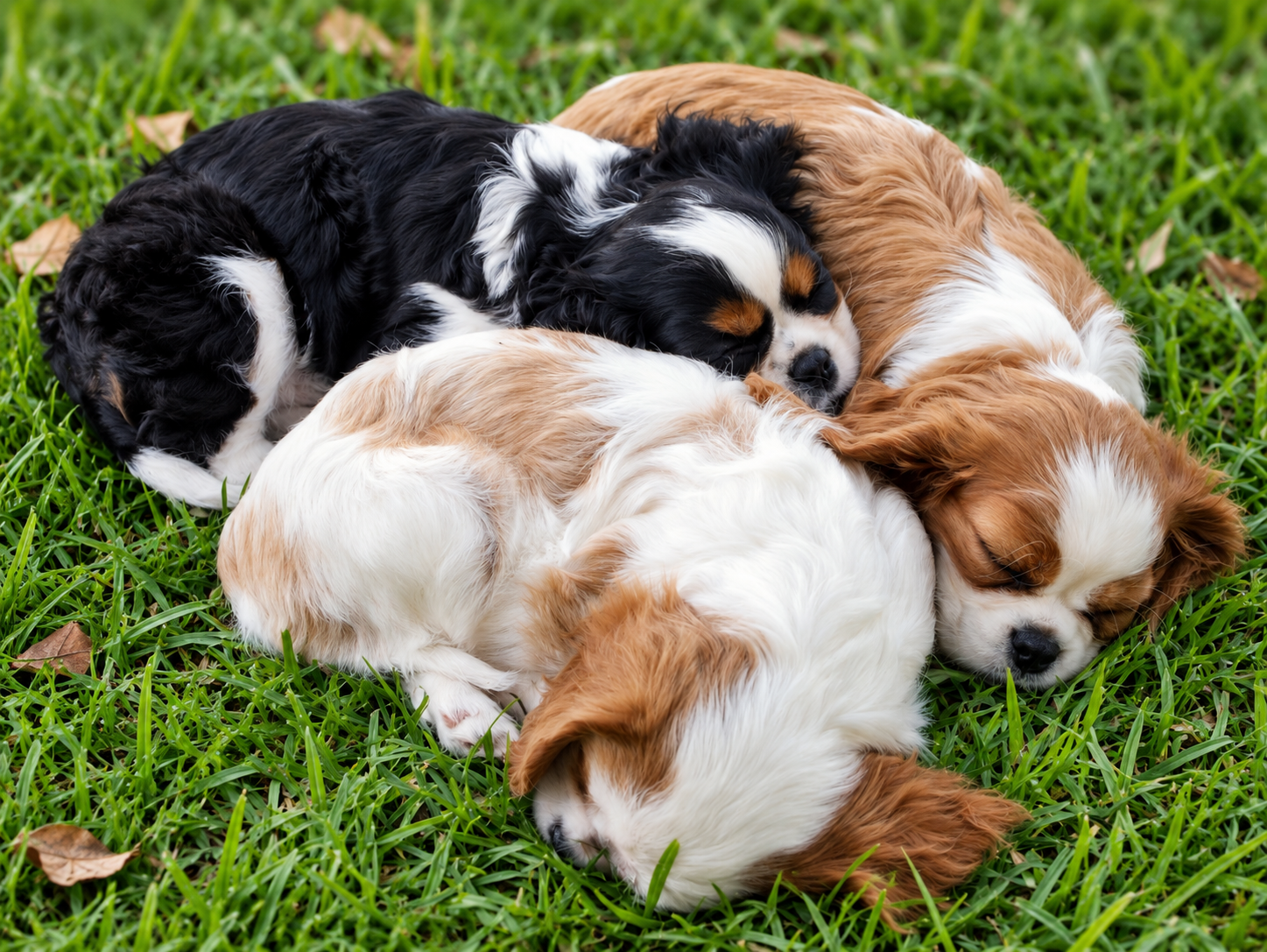
Photo credit: Cavalier King Charles Spaniel Club (Queensland)
If you are looking for a Cavalier King Charles Spaniel puppy in Queensland or Australia, choosing an ethical and responsible Cavalier King Charles Spaniel breeder is one of the most important decisions you will make.
The Cavalier King Charles Spaniel is a loving and affectionate breed, but it is also predisposed to several inherited health conditions, including myxomatous mitral valve disease (MMVD), syringomyelia (SM), Chiari-like malformation (CM), episodic falling syndrome (EFS), curly coat dry eye syndrome (CCDE), eye disorders and patella issues.
Reputable Cavalier King Charles Spaniel breeders are committed to preserving the health and future of the breed by undertaking comprehensive health screening and following responsible breeding practices. This includes regular cardiac examinations by veterinary cardiologists, MRI screening for CM and SM, DNA testing where appropriate, eye examinations and careful consideration of pedigrees and breeding ages.
Purchasing a puppy from a breeder who prioritises health testing, temperament and breed welfare significantly increases the likelihood of welcoming a healthy, well-adjusted Cavalier into your family while supporting the long-term health and preservation of this wonderful breed.
The Cavalier King Charles Spaniel Club of Queensland encourages prospective owners to do their research, ask questions about health testing and choose a breeder who places the lifelong health and welfare of every Cavalier King Charles Spaniel above all else.
Why Health Testing Matters
Unfortunately, the Cavalier King Charles Spaniel has a relatively small genetic gene pool compared with many other breeds. This has contributed to a higher incidence of certain inherited health conditions within the breed. Responsible breeders work diligently to reduce the prevalence and impact of these conditions by undertaking comprehensive health screening and following established breeding protocols.
While no breeder can ever guarantee that a dog will never develop a health issue, ethical breeders significantly improve the likelihood of producing healthy puppies by carefully selecting breeding dogs that meet recommended health criteria.
Common Health Conditions in Cavaliers
Myxomatous Mitral Valve Disease (MMVD)
Mitral Valve Disease, often referred to as MVD or MMVD, is the most significant health concern affecting the breed. It is a degenerative heart condition in which the mitral valve progressively deteriorates, eventually causing blood to leak backwards through the heart.
Cavalier King Charles Spaniels are particularly predisposed to early-onset MMVD, often developing heart murmurs at a much younger age than other breeds. In severe cases, the disease can progress to congestive heart failure.
Responsible breeders follow breeding protocols designed to reduce the incidence of early-onset MMVD. This includes obtaining regular cardiac examinations performed by veterinary cardiologists and carefully considering the age and cardiac status of breeding dogs and their close relatives.
Chiari-like Malformation (CM) and Syringomyelia (SM)
Chiari-like Malformation and Syringomyelia are complex neurological conditions that have received considerable attention within the Cavalier breed.
Chiari-like Malformation occurs when the back of the skull is too small for the brain, resulting in overcrowding and disruption of normal cerebrospinal fluid flow. This can lead to Syringomyelia, a condition where fluid-filled cavities develop within the spinal cord.
Symptoms can vary greatly and may include:
Sensitivity around the neck and shoulders
Pain and discomfort
Scratching near the ears or neck without making skin contact
Facial rubbing
Reluctance to jump or climb stairs
Weakness or changes in gait
Episodes of unexplained discomfort or vocalisation
Some affected dogs show no outward signs, while others may experience significant pain. Because affected dogs cannot always be identified by physical appearance alone, MRI screening is currently the most reliable method of assessing breeding dogs for Chiari-like Malformation and Syringomyelia.
Ethical breeders undertake MRI screening and use the results to make informed breeding decisions aimed at reducing the prevalence of these conditions in future generations.
Episodic Falling Syndrome (EFS)
Episodic Falling Syndrome is an inherited neurological condition unique to the breed. It causes episodes of muscle stiffness and abnormal movements, often triggered by excitement, exercise or stress.
Affected dogs may develop rigid limbs, arching of the back or collapse-like episodes while remaining fully conscious.
Fortunately, a DNA test is available for Episodic Falling Syndrome, enabling responsible breeders to make informed breeding decisions and significantly reduce the risk of producing affected puppies.
Curly Coat Dry Eye Syndrome (CCDE)
Curly Coat Dry Eye Syndrome is another inherited condition that can affect Cavaliers. Dogs with this condition may suffer from:
Extremely dry eyes
Thickened or curly coats
Skin problems
Chronic eye infections
Corneal damage
Difficulty producing tears
Curly Coat Dry Eye Syndrome can significantly impact a dog's quality of life. Thankfully, DNA testing allows responsible breeders to avoid producing affected puppies.
Eye Conditions
Cavalier King Charles Spaniels may also be predisposed to several inherited eye conditions, including:
Hereditary cataracts
Retinal disorders
Distichiasis (abnormal eyelashes)
Dry eye conditions
Regular ophthalmic examinations of breeding dogs help identify potential concerns and contribute to healthier future generations.
Orthopaedic Conditions
Like many small breeds, Cavaliers can experience orthopaedic issues such as:
Luxating patella (slipping kneecaps)
Certain musculoskeletal abnormalities
Responsible breeders assess the overall soundness and physical structure of their breeding dogs and avoid breeding from dogs with significant orthopaedic concerns.
The Importance of Ethical Breeding Practices
Ethical and responsible breeders do far more than simply produce puppies. They carefully research pedigrees, evaluate temperament, undertake recommended health testing, thoughtfully select breeding combinations and provide exceptional care and socialisation during a puppy's early development.
They are transparent about health testing and willingly discuss the health history of their dogs and breeding lines. They are committed to lifelong responsibility for every puppy they breed and genuinely care about the future wellbeing of both individual dogs and the breed as a whole.
Additional reading:
What is an ethical and responsible breeder of Cavalier King Charles Spaniels
Choosing Your Cavalier Puppy Wisely
When searching for a Cavalier King Charles Spaniel puppy in Queensland or elsewhere in Australia, prospective owners should ask detailed questions about health testing and request evidence of examinations and screening performed on the puppy's parents.
Choosing a puppy simply because it is readily available, inexpensive or conveniently located can unintentionally support poor breeding practices and may increase the likelihood of future health challenges and emotional and financial heartache.
The Cavalier King Charles Spaniel is an extraordinary breed that brings immense joy, companionship and unconditional love to countless families. However, because the breed is predisposed to several inherited health conditions, selecting an ethical and responsible breeder is absolutely essential.
By choosing a breeder who prioritises comprehensive health testing, responsible breeding practices and the long-term welfare of their dogs, you are not only giving yourself the best possible opportunity of welcoming a healthy, well-adjusted puppy into your family, but you are also helping to protect, preserve and improve the future health and welfare of the Cavalier King Charles Spaniel for generations to come.