

Breed Overview: What is a Cavalier King Charles Spaniel?

Photo credit: Carolyn Dakin
Discover everything you need to know about the Cavalier King Charles Spaniel, including temperament, history, size, exercise needs, health, grooming and whether this breed is the right dog for you.
The Cavalier King Charles Spaniel is one of the world's most affectionate, gentle and adaptable companion dogs. Renowned for their loving nature, expressive eyes and elegant appearance, Cavaliers have earned a reputation as the perfect family companion, thriving equally well in active households, retirement homes and everything in between.
Originally bred as companion dogs for royalty and nobility, Cavaliers continue to excel in the role they were bred for hundreds of years ago, bringing comfort, companionship and unconditional love to the people around them.
Whether you're considering welcoming a Cavalier into your family, are already the proud owner of one, or simply want to learn more about this remarkable breed, this guide will introduce you to everything you need to know.
Breed Overview
Characteristic Details
Breed Group: Toy Group
Origin: United Kingdom
Average Height: 30–33 cm
Average Weight: 5.4–8 kg
Life Expectancy: 10–14 years (many live longer with excellent care)
Coat: Silky, medium length
Exercise Needs: Moderate
Grooming: Moderate
Shedding: Moderate
Good with Children: Excellent
Good with Other Dogs: Excellent
Suitable for First-Time Owners: Yes

Pictured: Princess, Blenheim Cavalier King Charles Spaniel.
Photo credit: Cavalier King Charles Spaniel Club (Queensland)
Temperament
One of the Cavalier's greatest strengths is its exceptional temperament.
Cavaliers are known for being:
Affectionate
Gentle
Friendly
Intelligent
Adaptable
Eager to please
Social
Patient
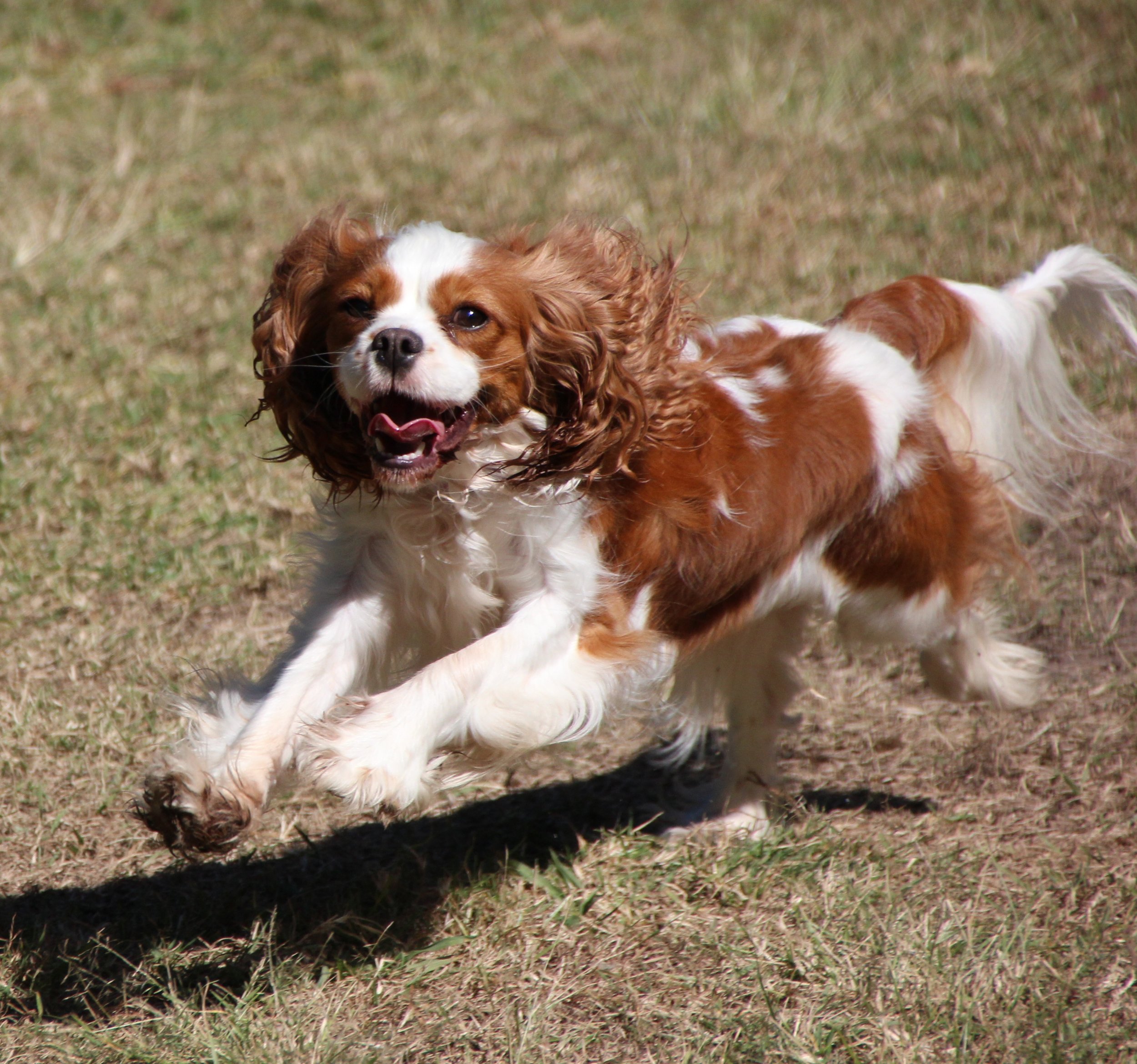
Photo credit: Bronwen Gordon
Unlike some toy breeds, Cavaliers generally enjoy meeting new people and other dogs. Their naturally affectionate personality makes them excellent companions for families, singles, couples and older adults alike. Many owners affectionately describe Cavaliers as "velcro dogs" because they simply love being close to their people.
Read: Temperament
Why Cavaliers Make Wonderful Family Dogs
Cavaliers have been bred for companionship for generations, and it shows in everything they do.
They typically:
Form strong bonds with their family.
Enjoy cuddles and human interaction.
Adapt well to different lifestyles.
Get along well with respectful children.
Live happily with other dogs.
Can often coexist successfully with cats when introduced appropriately.
Their calm and loving temperament makes them one of the most popular companion breeds in Australia.
Read: Cavaliers and Children
Exercise Requirements
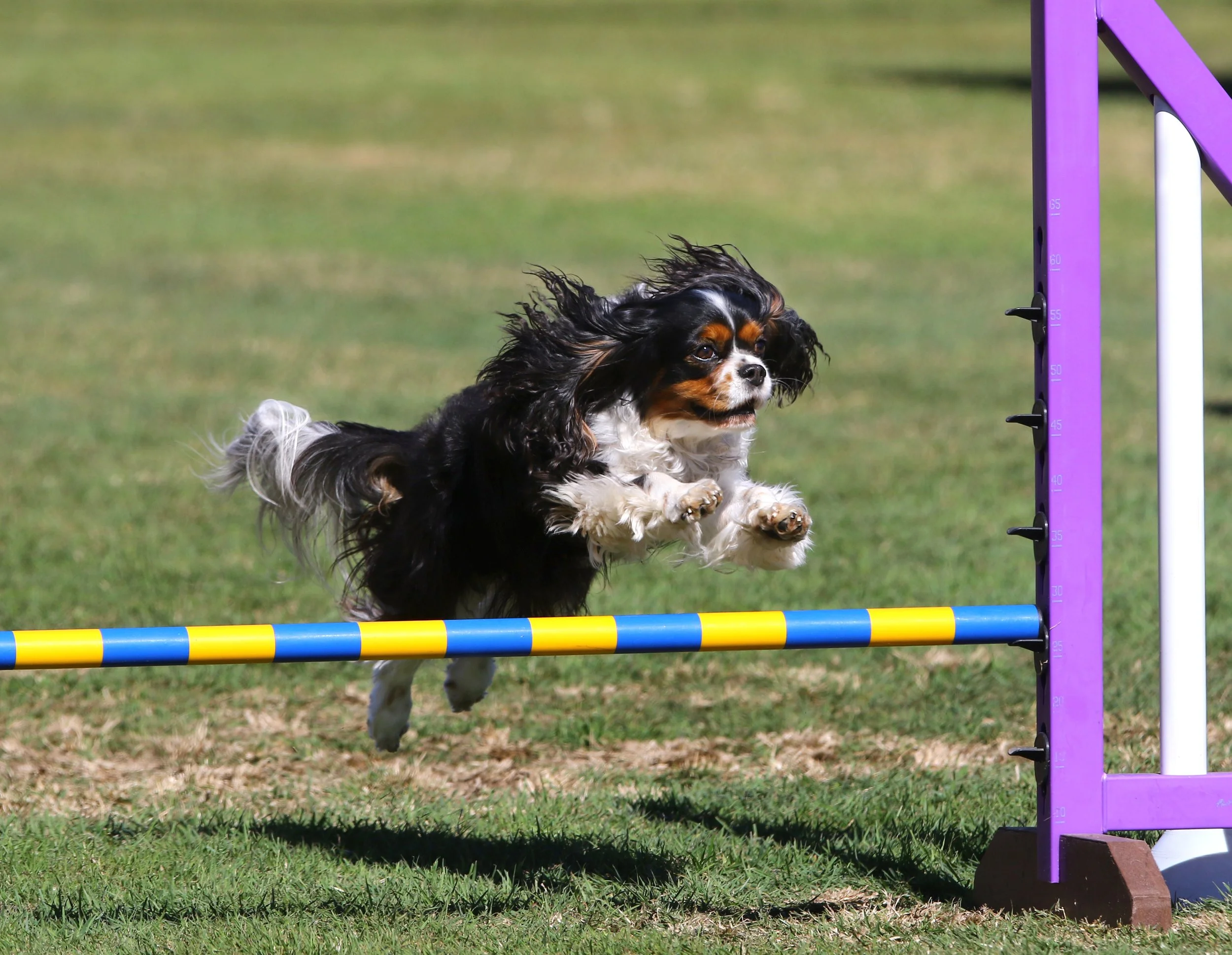
Pictured: Meg Tricolour Cavalier King Charles Spaniel
Photo credit: Tina Dial, Pawsnap Pet Photography
Although Cavaliers enjoy relaxing with their families, they are not couch potatoes.
Most healthy adult Cavaliers benefit from:
One or two walks each day.
Regular playtime.
Mental enrichment.
Opportunities to sniff and explore.
Training sessions.
Puzzle toys.
Providing both physical exercise and mental stimulation helps maintain a healthy weight while reducing boredom-related behaviours.
Grooming Requirements
The Cavalier's beautiful silky coat requires regular care.
A typical grooming routine includes:
Wipe eyes clean of gunk daily. (This accumulates at the corners and underneath the eyes.)
Brushing several times each week.
Regular ear checks. (Ears are prone to infections)
Nail trimming.
Dental care.
Bathing every few weeks as required.
Professional grooming if desired.
Consistent grooming helps prevent tangles, keeps the coat healthy and provides an excellent opportunity to monitor your dog's overall health.
Tip: Cavaliers' beautiful long ears have a habit of dipping into their food bowls at mealtimes. Using a snood while your Cavalier is eating, particularly if they enjoy raw or gently cooked meals, helps keep their ears clean and prevents food from sticking to the fur and drying.
Snoods are available from a variety of online retailers, or they can be purchased through Cavalier King Charles Spaniel Rescue Queensland. Contact them and ask how you can make a purchase. Tell them we sent you.
Read: Grooming Guide
Health Considerations
Like all pedigree breeds, Cavaliers can be predisposed to certain inherited health conditions. However it is important to note that Cavalier King Charles Spaniels have a lot of health challenges that you need to be aware of as an owner.
Responsible breeders help protect the future of the breed by undertaking appropriate health screening before breeding.
Prospective puppy buyers should ensure breeders perform recommended health testing and are happy to discuss their breeding practices openly.
Important health topics include:
Understanding these conditions allows owners to make informed decisions and supports the long-term health of the breed.
Is a Cavalier King Charles Spaniel Right for You?
A Cavalier may be the perfect companion if you're looking for a dog that:
Loves spending time with people.
Enjoys affection and companionship.
Fits comfortably into many different lifestyles.
Is eager to learn.
Gets along well with other pets.
Thrives as part of the family.
However, Cavaliers are not well suited to spending long periods alone on a regular basis. They flourish when included in family life and enjoy close interaction with their people.
Read: Is a Cavalier King Charles Spaniel the right breed for you?
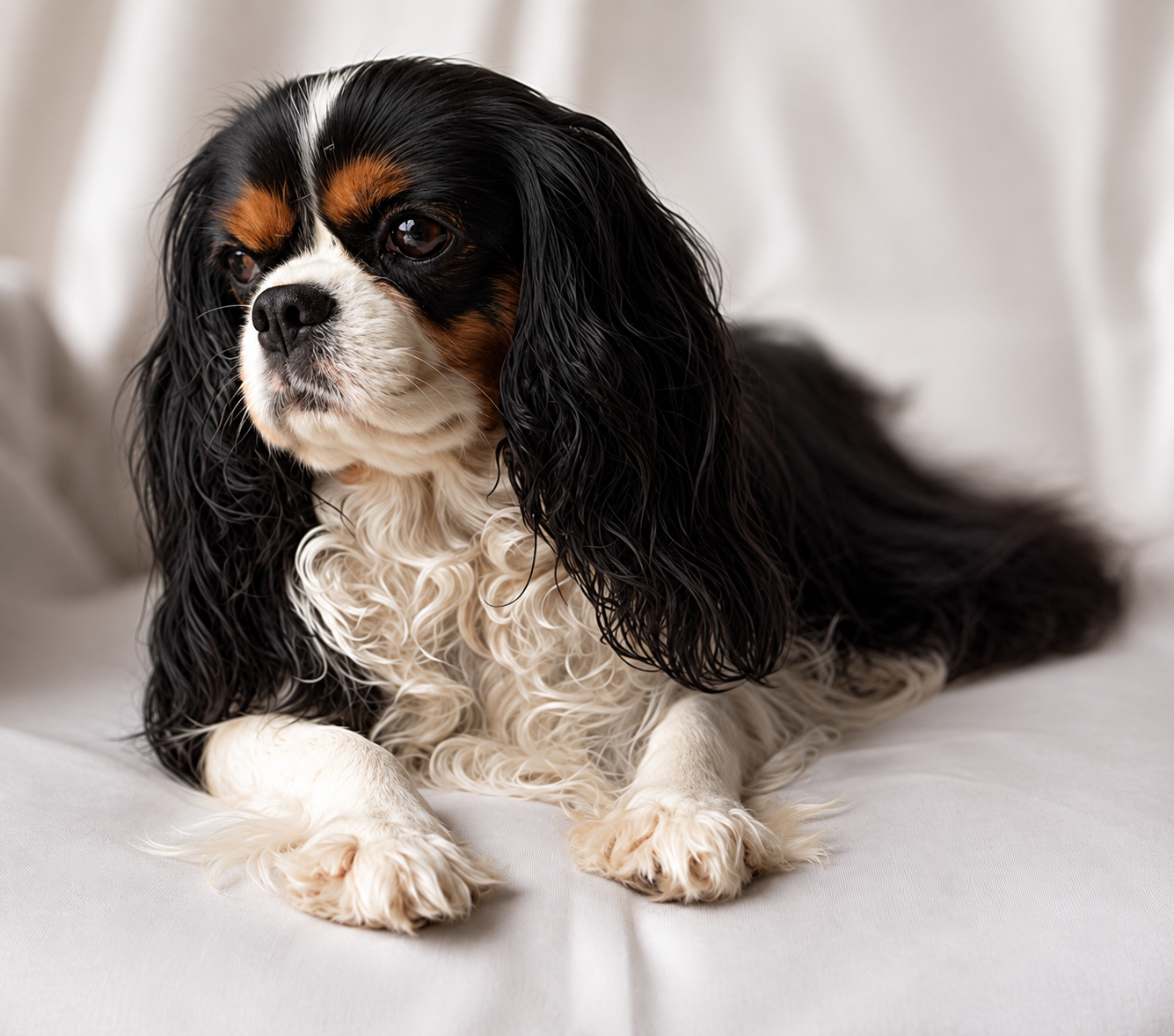
Pictured: Princess, Tricolour
Photo credit: Cavalier King Charles Spaniel Club (Queensland)