

Breed History of Cavalier King Charles Spaniels
The Cavalier King Charles Spaniel is one of the world’s most recognisable toy breeds, admired for its affectionate temperament, elegant appearance and strong connection to British royal history. Loved for centuries as both a companion and sporting spaniel, the breed combines beauty, intelligence and a gentle nature that continues to make it a popular choice for families and dog enthusiasts around the world.
Today, the Cavalier King Charles Spaniel is known as a friendly, adaptable and affectionate companion, but the breed’s story stretches back hundreds of years to the royal courts of England and Europe.
Discover the stories of historical Cavalier King Charles Spaniels who have left a lasting legacy through their bloodlines and influence on the breed.
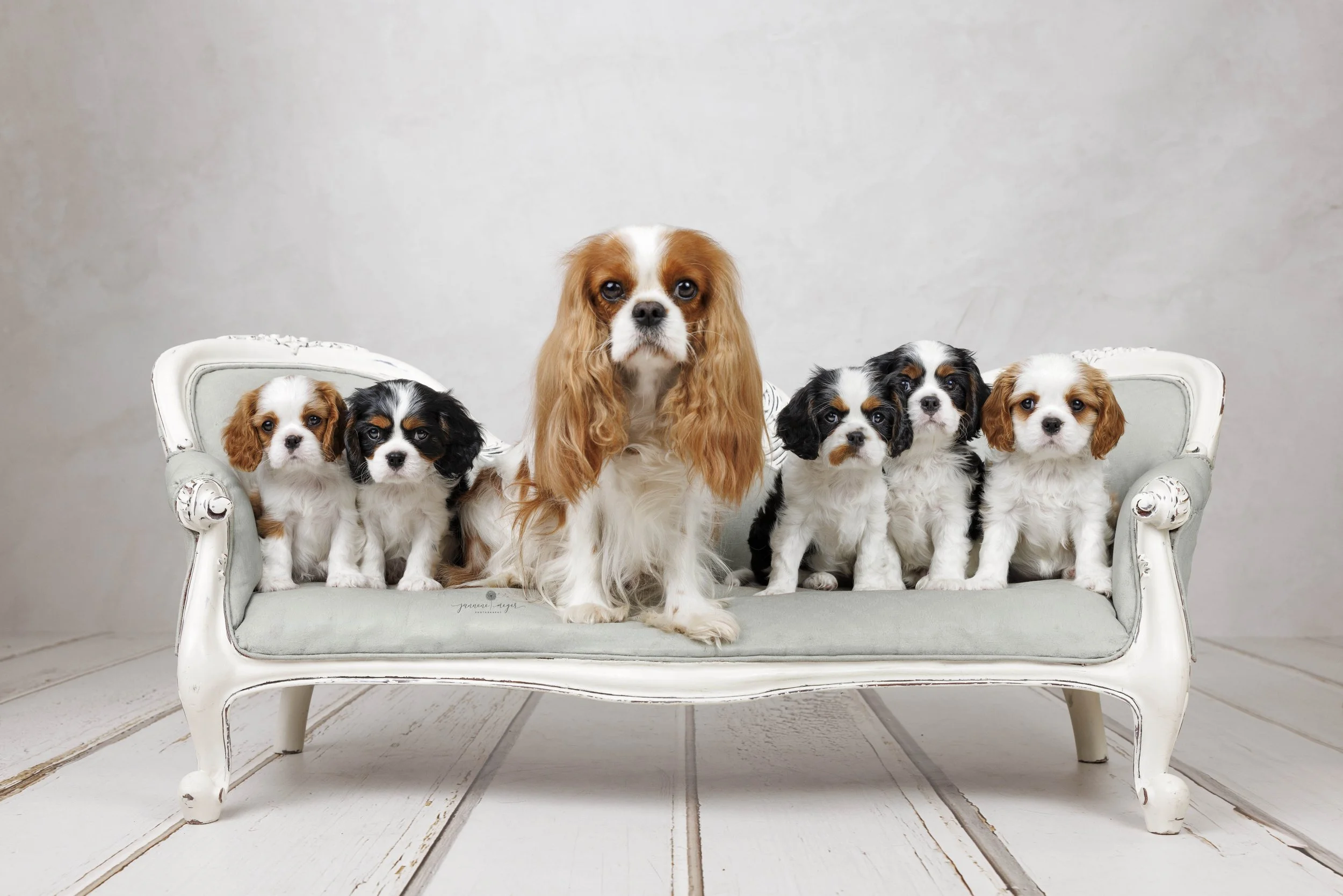
Pictured: Alice (Centre) and her five babies (left to right): Lucy, Tilley, Gracey, Blossom, Brinkley and Isabelle. Photo credit: Jannene Meyer Photography
Influential Cavalier King Charles Spaniels
Discover the stories of historical Cavalier King Charles Spaniels who have left a lasting legacy through their bloodlines and influence on the breed.
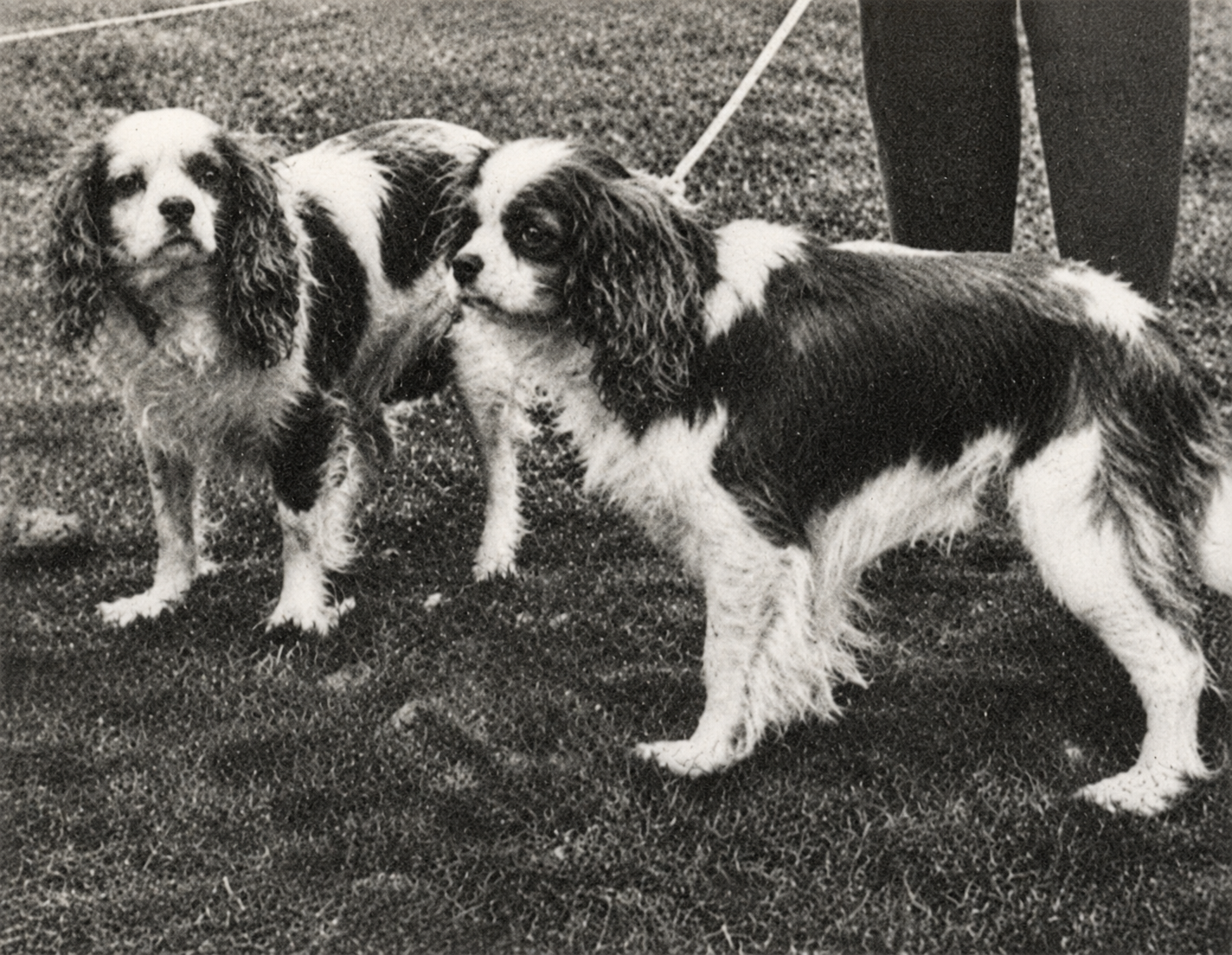
Pictured: Belinda of Saxham (L), Daywell Roger (R)
Photo credit: Historical photo, source unknown
Early Origins of the Cavalier King Charles Spaniel
The ancestors of the Cavalier King Charles Spaniel can be traced to small toy spaniels that appeared in Europe during the 16th, 17th and 18th centuries. These small spaniels were frequently featured in paintings by famous artists including Van Dyck, Gainsborough and Titian, often sitting beside noblewomen and members of royal families.
These early toy spaniels were prized as companion dogs because of their affectionate personalities, compact size and ability to provide warmth and companionship. During Tudor times they were popular with court ladies, but the breed became especially associated with the Stuart monarchy.
Few breeds combine royal history, affectionate companionship and elegant beauty quite like the Cavalier King Charles Spaniel.
Royal Connections and King Charles II
The breed takes its name from King Charles II of England, who ruled from 1660 to 1685. Historical accounts describe the King as being extremely devoted to his small spaniels and rarely seen without them. His admiration for the breed helped cement the association between the royal family and these companion spaniels.
Because of this close royal connection, the dogs became widely known as “King Charles Spaniels.” Their popularity grew throughout Britain, particularly among aristocratic families and the upper classes.
The Cavalier King Charles Spaniel remains strongly linked to British history and is still regarded as one of the most iconic royal companion breeds.
How the Breed Changed During the Victorian Era
By the 1800s, breeding trends began to change. Toy breeds with shorter muzzles and domed heads became fashionable in Europe, and breeders started crossing the original toy spaniels with flat-faced breeds such as the Pug and Japanese Chin.
These changes gradually transformed the appearance of the original King Charles Spaniel into a dog with:
A shorter muzzle
A more domed skull
Larger, rounder eyes
A more compact facial structure
This newer type eventually became known as the King Charles Spaniel (known as the English Toy Spaniel in some countries). Meanwhile, the longer-nosed spaniels seen in earlier paintings had almost disappeared.
The Revival of the Cavalier King Charles Spaniel
The modern Cavalier King Charles Spaniel owes much of its existence to an American named Roswell Eldridge. In the 1920s, Eldridge travelled to England searching for the longer-faced toy spaniels shown in portraits from the time of King Charles II. Unable to find them, he offered prize money at Crufts Dog Show for breeders who could produce spaniels matching the older style.
This initiative encouraged breeders to recreate the traditional toy spaniel type with:
A flatter skull
Longer muzzle
Larger frame
More natural facial structure
In 1928, the first Cavalier King Charles Spaniel club was established, and the breed standard was created. The breed continued developing through the early 20th century despite setbacks during World War II, when breeding numbers declined dramatically. Following the war, careful breeding programs helped restore and strengthen the Cavalier King Charles Spaniel population.
Cavalier King Charles Spaniel Temperament and Characteristics
The Cavalier King Charles Spaniel is often described as affectionate, gentle, intelligent and eager to please. The breed was developed primarily as a companion dog, and this remains one of its defining traits today. Cavaliers are known for forming strong bonds with their families and generally enjoy human interaction and social environments.
Key characteristics of the Cavalier King Charles Spaniel include:
Friendly and affectionate temperament
Adaptability to many living situations
Moderate exercise needs
Strong trainability
Sociable nature with people and other animals
Although classified as a toy breed, Cavaliers also retain some sporting spaniel instincts from their ancestry.
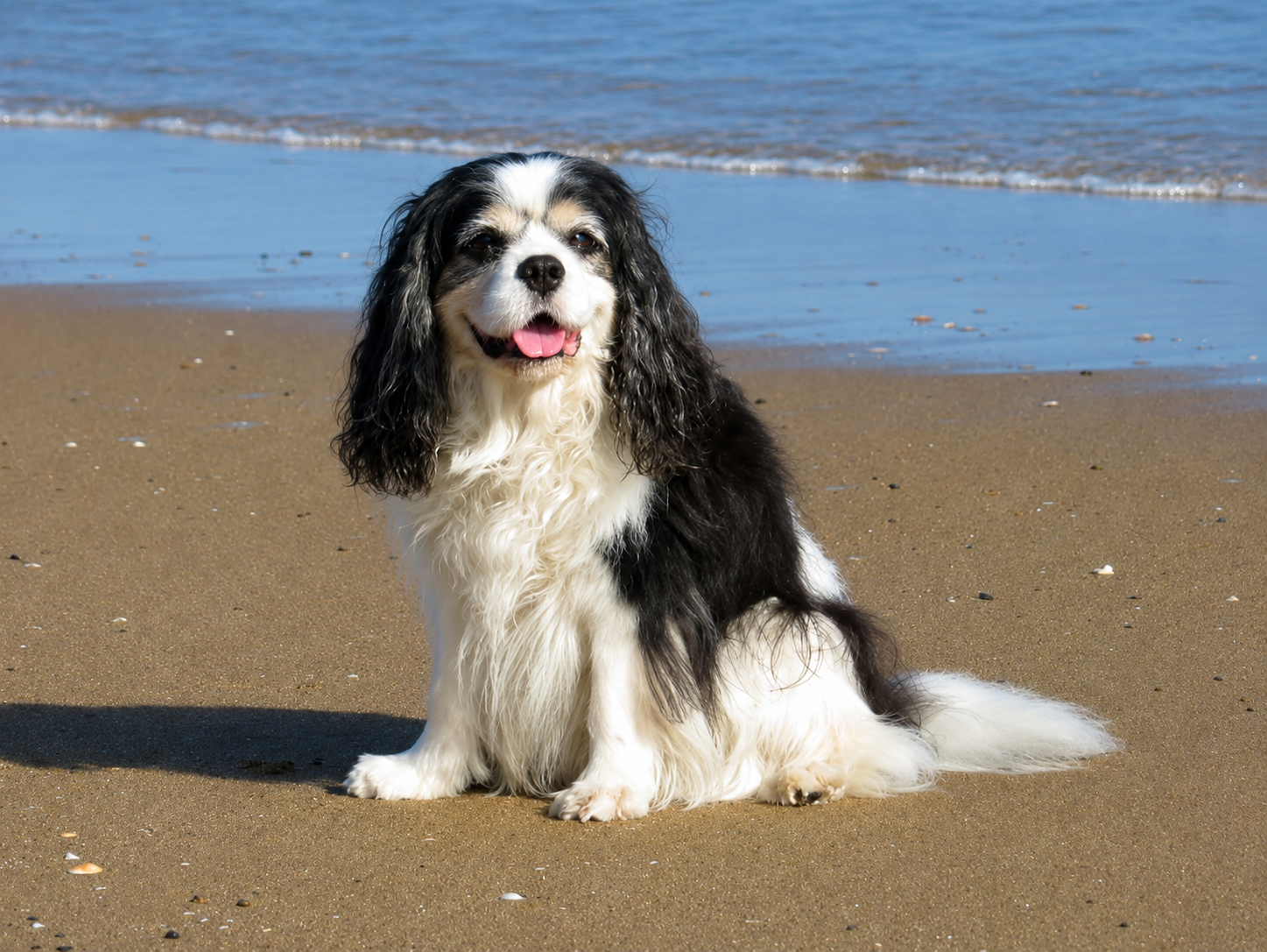
Pictured: Mr Darcy
Photo credit: Bronwen Gordon
Recognition of the Modern Breed
Breeders continued refining the restored type throughout the following decades. The Cavalier King Charles Spaniel Club was established in England in 1928, and the breed standard was developed to preserve its distinctive appearance and temperament.
Following the interruption of breeding programs during World War II, dedicated breeders worked tirelessly to rebuild the population. In 1945, The Kennel Club (UK) officially recognised the Cavalier King Charles Spaniel as a breed in its own right, distinct from the King Charles Spaniel. Since then, Cavaliers have grown in popularity around the world as companion dogs, successful show dogs, therapy dogs and competitors in a wide range of canine sports
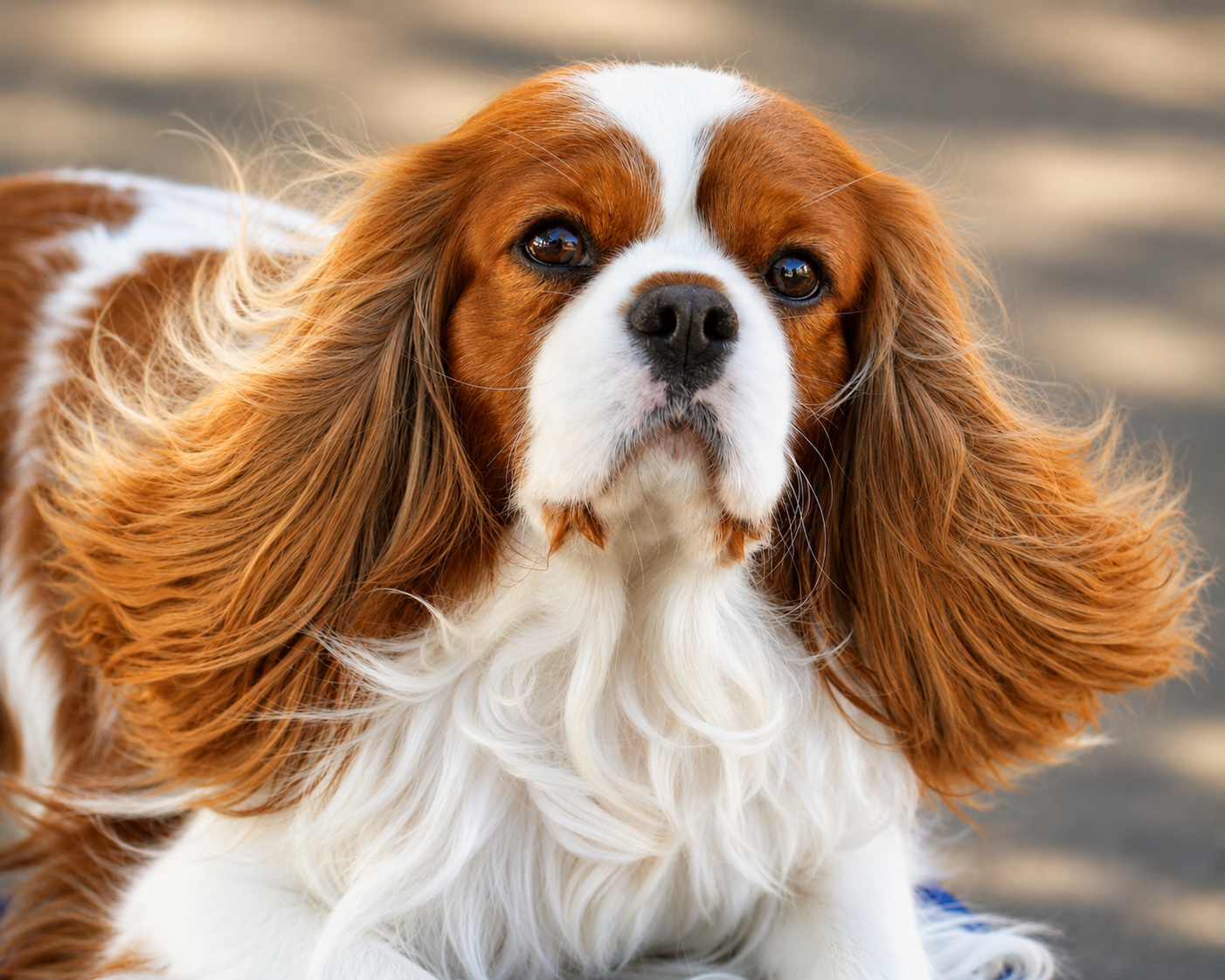
Photo Credit: Tina Dial, Pawsnap Pet Photography
The Cavalier King Charles Spaniel in Australia
The Cavalier King Charles Spaniel has become one of Australia’s most popular companion breeds thanks to its affectionate personality, manageable size and suitability for many households.
Responsible breeders and breed clubs throughout Australia work to preserve the breed’s sound temperament, structure and health while promoting ethical breeding practices and education for owners.
The Cavalier King Charles Spaniel Club of Queensland plays an important role in supporting owners, breeders and enthusiasts through education, events and breed promotion.
Preserving the Future of the Breed
Like many purebred dogs, the Cavalier King Charles Spaniel can be affected by inherited health conditions. Responsible breeding practices, health testing and ongoing research are important for maintaining the long-term health and welfare of the breed.
Ethical breeders focus on:
Health screening
Maintaining breed temperament
Preserving correct breed structure
Genetic diversity
Responsible puppy placement
Prospective owners are encouraged to learn about the breed thoroughly and seek reputable breeders who prioritise health, temperament and responsible breeding standards.
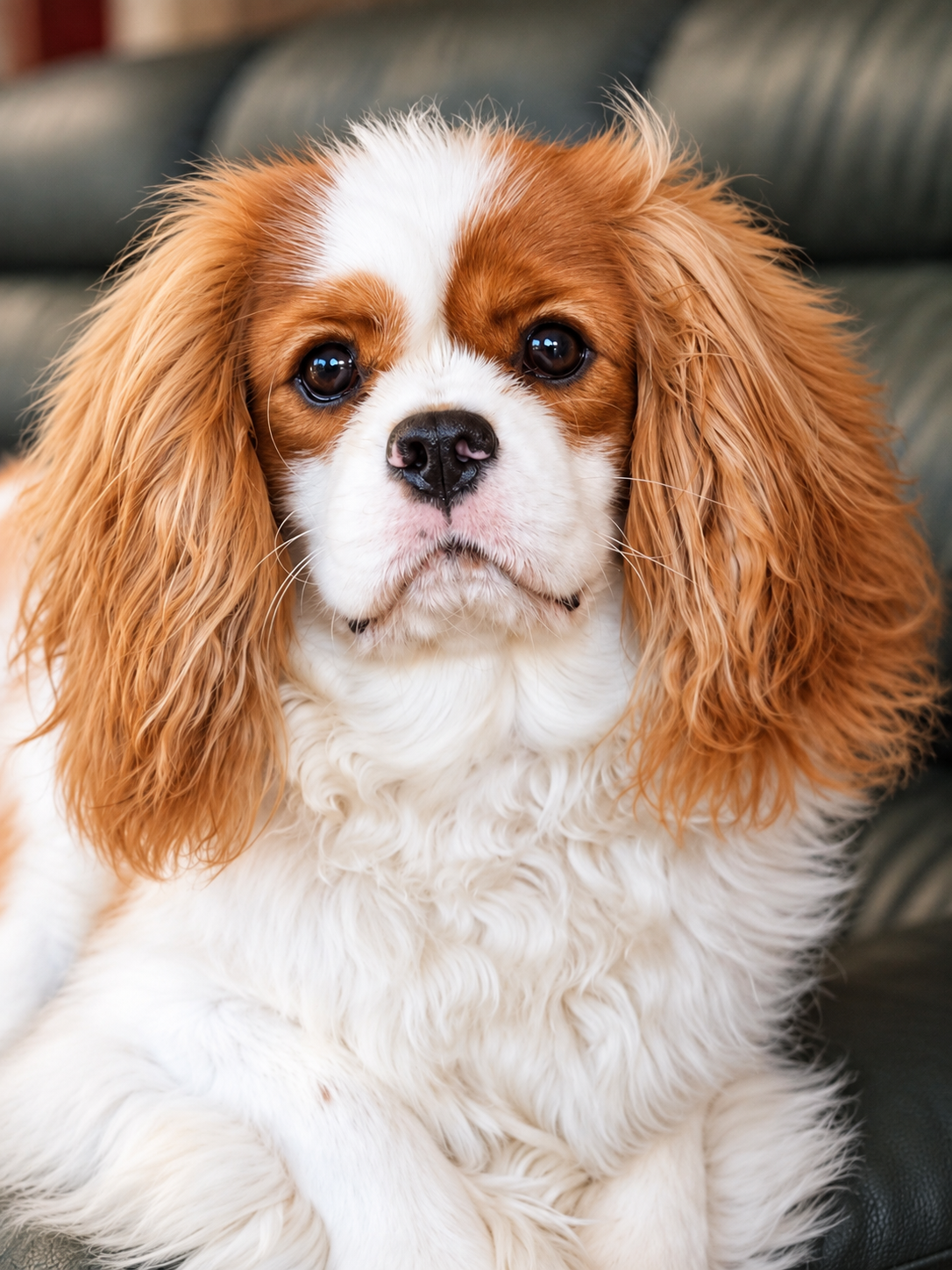
Pictured: Arthur
Photo credit: Linda Hendry
The Breed Today
Modern Cavaliers remain true to the purpose for which they were originally developed to be devoted companions. Their affectionate nature, adaptability and willingness to please make them wonderful family pets while also excelling in activities such as:
Conformation showing
Trick Dog
Rally
Obedience
Agility
Scent Work
Therapy Dog programs
Whether relaxing on the sofa, exploring bush tracks or competing in dog sports, Cavaliers continue to demonstrate the intelligence, versatility and loving temperament that have endeared them to generations of owners.