

Cavalier King Charles Spaniel Temperament
The Cavalier King Charles Spaniel is often described as the perfect companion dog, and for good reason. Renowned for their affectionate, gentle and adaptable nature, Cavaliers have been winning hearts for centuries.
Originally bred to provide companionship to royalty and nobility, today's Cavaliers continue to excel in the role they were bred for: being devoted members of the family. Their loving temperament, eagerness to please and friendly disposition make them one of the most popular toy breeds in Australia and around the world.
While every dog has its own unique personality, the Cavalier's temperament is one of the defining characteristics that has made this breed so treasured by generations of owners.
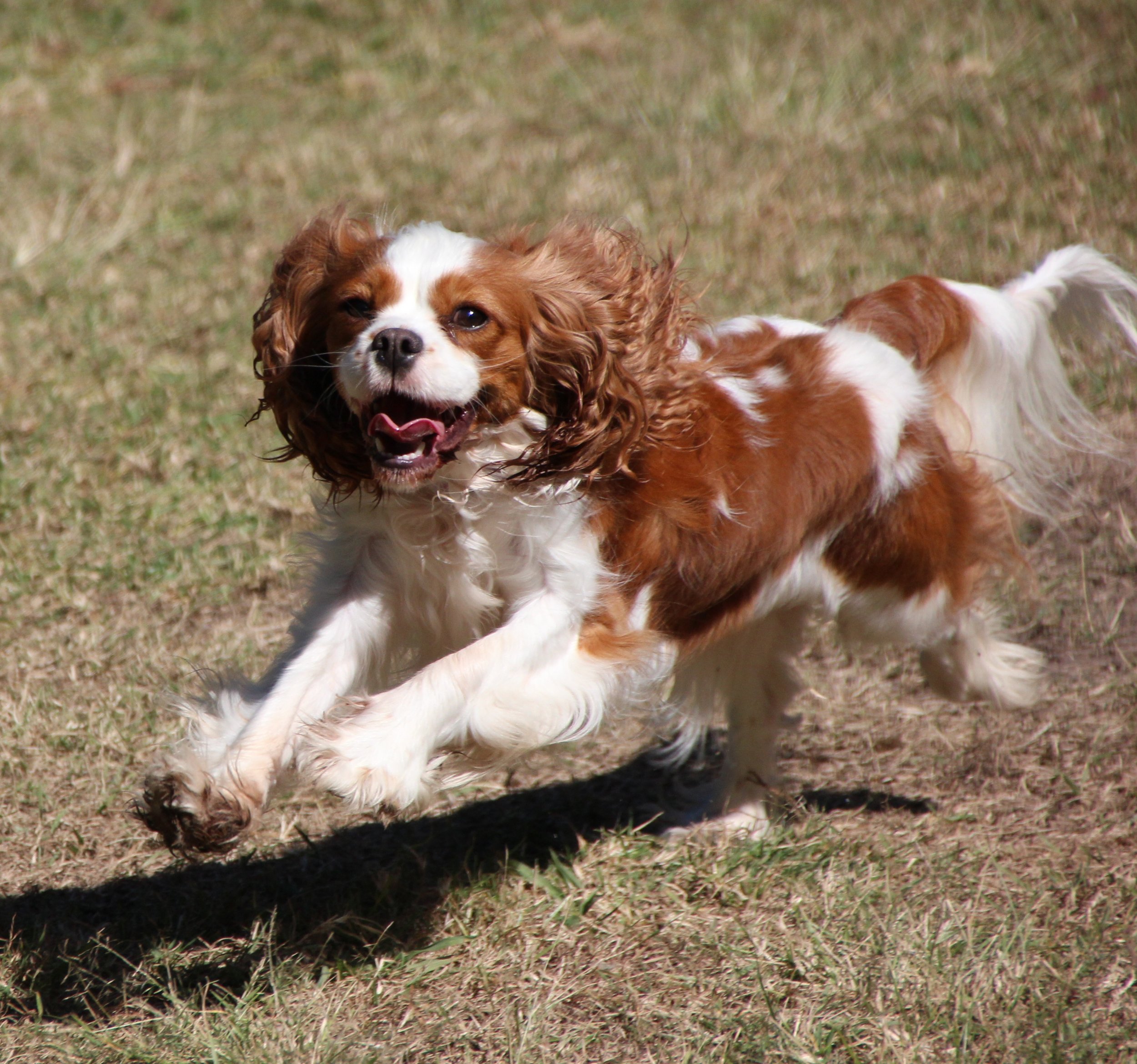
Pictured: Georgie
Photo credit: Bronwen Gordon
A Breed Bred for Companionship
Unlike many breeds that were developed primarily for guarding, herding or hunting, the Cavalier King Charles Spaniel was bred first and foremost to be a companion.
For hundreds of years, these little spaniels shared the lives of kings, queens and noble families, providing comfort, affection and companionship. Their desire to be close to people remains deeply ingrained today.
Many owners affectionately refer to Cavaliers as "Velcro dogs" because they simply love being wherever their people are. Whether curled up beside you on the sofa, following you from room to room or resting quietly at your feet, Cavaliers thrive on human companionship.
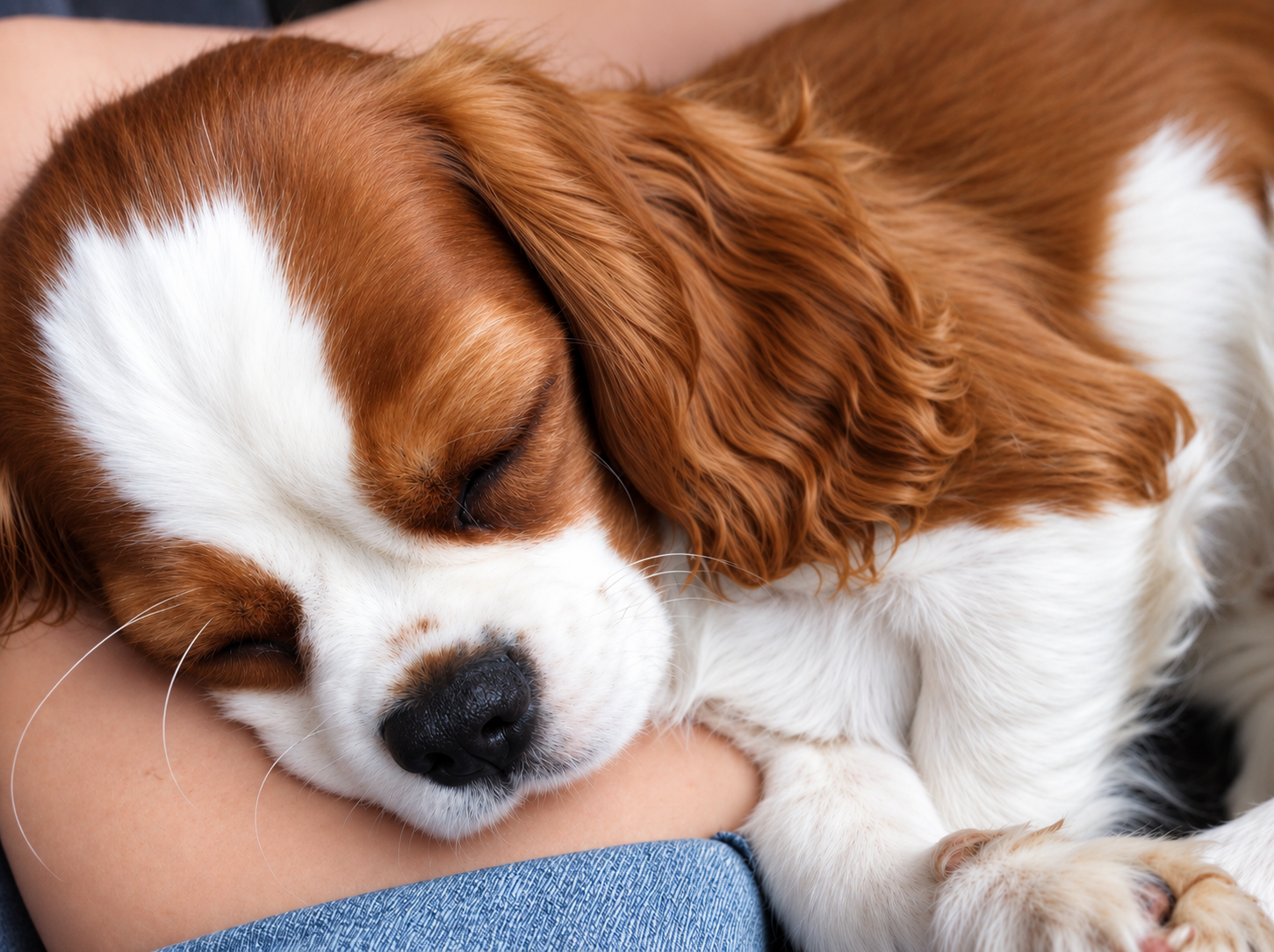
Photo credit: Cavalier King Charles Spaniel Club (Queensland)
Affectionate and Loving
Perhaps the Cavalier's greatest strength is its capacity for affection.
Most Cavaliers genuinely enjoy being close to their family and are happiest when included in everyday life. They are generous with cuddles, thrive on gentle attention and form strong emotional bonds with their owners.
Their affectionate nature makes them wonderful companions for:
Families
Couples
Singles
Retirees
First-time dog owners
Rather than seeking independence, Cavaliers generally prefer sharing life's moments with the people they love.
Gentle by Nature
The breed standard describes the Cavalier as "sporting, affectionate, absolutely fearless."
A well-bred Cavalier should display a calm, friendly and confident temperament.
They are typically:
Kind and gentle
Patient
Sociable
Trusting
Curious
Adaptable
While individual personalities vary, aggression and excessive nervousness are not considered typical breed characteristics.
Excellent Family Dogs
Cavaliers are widely regarded as one of the best companion breeds for families.
Their gentle disposition means they often form wonderful relationships with respectful children. They usually enjoy participating in family activities, whether that's a walk through the park, a weekend picnic or simply relaxing together at home.
As with all dogs, interactions between children and dogs should always be supervised, and children should be taught how to interact respectfully with animals.
Friendly with Other Dogs
Most Cavaliers enjoy the company of other dogs and are naturally sociable.
When appropriately socialised from an early age, they generally greet unfamiliar dogs with curiosity rather than confrontation.
Many Cavaliers also enjoy living with another canine companion, particularly if they spend time alone during the day.
Can Cavaliers Live with Cats?
Yes. Many Cavaliers live happily with cats and other household pets. Their gentle temperament often allows them to adapt well to multi-pet households, particularly when introductions are managed carefully and positively.
As with any breed, every animal is an individual, and gradual introductions are always recommended.
Intelligent and Eager to Please
Cavaliers are intelligent dogs that genuinely enjoy learning. Combined with their desire to please their owners, this makes them highly responsive to positive, reward-based training.
They often excel in activities such as:
Trick Dog
Rally
Obedience
Agility
Scent Work
Therapy Dog programs
Training not only teaches useful skills but also provides valuable mental stimulation and strengthens the bond between dog and owner.
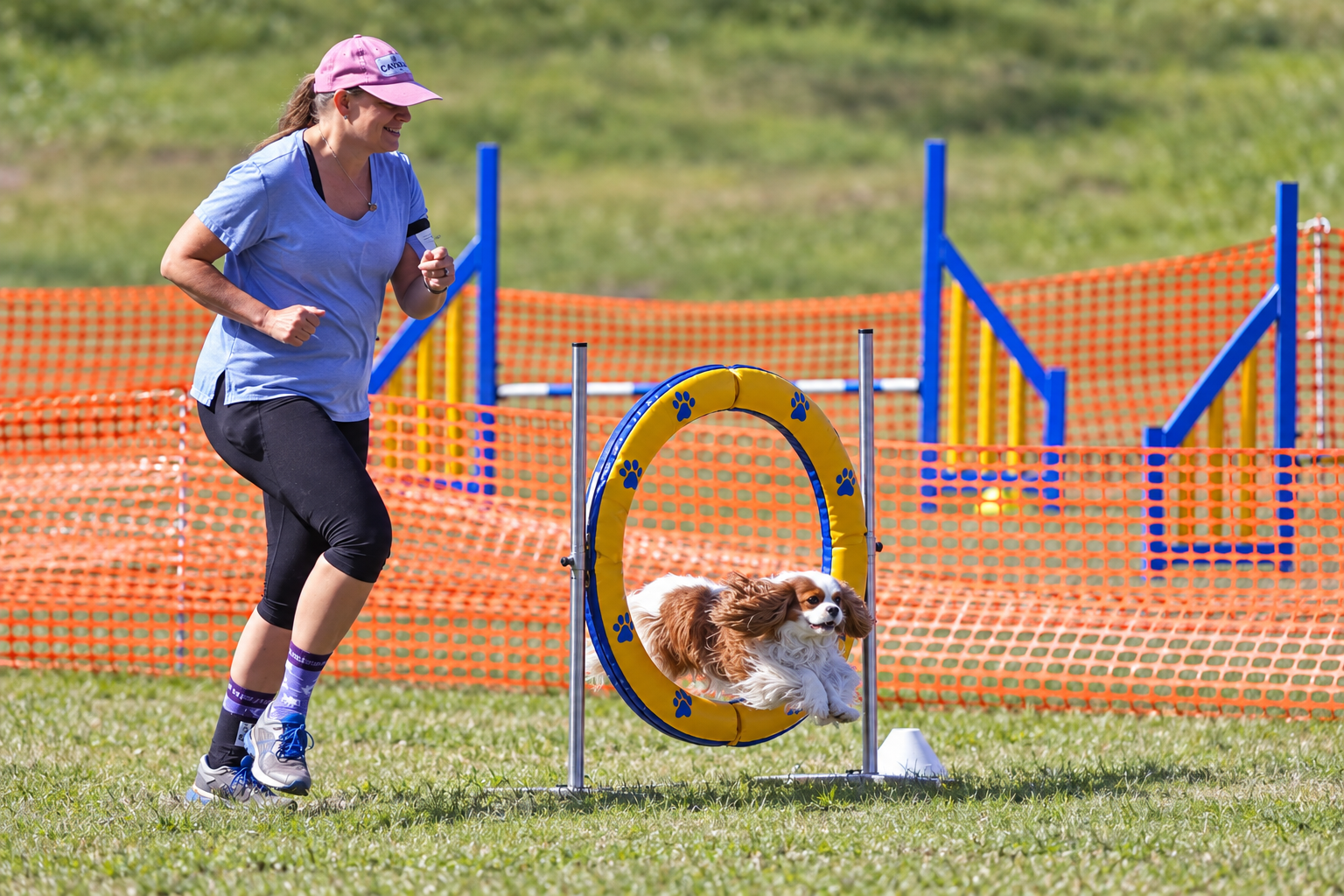
Pictured: Star with Loraine Korving of CavRealm
Photo credit: Ray Wilson
Adaptable to Many Lifestyles
One of the reasons Cavaliers are so popular is their remarkable adaptability. They are equally content joining you on a bushwalk, accompanying you on a holiday or spending a quiet afternoon relaxing at home.
Provided their physical, mental and social needs are met, Cavaliers can thrive in a variety of living environments, including:
Houses with large yards
Smaller suburban homes
Townhouses
Apartments with appropriate daily exercise
Their greatest priority isn't the size of the home, it's being close to their family.
Do Cavaliers Like Being Left Alone?
Because Cavaliers are such people-oriented dogs, they generally do not enjoy spending long periods alone on a regular basis. Without adequate companionship and enrichment, some may become bored or develop separation-related behaviours.
If your lifestyle requires your Cavalier to spend time alone, consider providing:
Interactive toys
Food puzzles
Safe chew items
Background music
A regular routine
A dog walker or trusted pet sitter if appropriate
Many Cavaliers also enjoy the companionship of another compatible dog.
What Shapes a Cavalier's Temperament?
Although the breed has a naturally affectionate disposition, every dog's personality is influenced by a combination of factors, including:
Genetics
Responsible breeding
Early handling
Socialisation
Training
Life experiences
Health and wellbeing
This is why choosing a responsible breeder who prioritises temperament is just as important as choosing one who performs appropriate health testing.