

Understanding the Breed Standard
Every recognised dog breed has a breed standard, a detailed description of the characteristics, temperament, movement and appearance that define the breed.
For the Cavalier King Charles Spaniel, the breed standard is about much more than how a dog looks in the show ring. It helps preserve the qualities that make a Cavalier unmistakably a Cavalier, their gentle and affectionate nature, elegant appearance, sound movement and balanced temperament.
Whether you are considering buying a puppy, already own a Cavalier, or are involved in breeding or showing, understanding the breed standard can give you a deeper appreciation of this wonderful breed and the qualities that have made Cavaliers such cherished companions for generations.
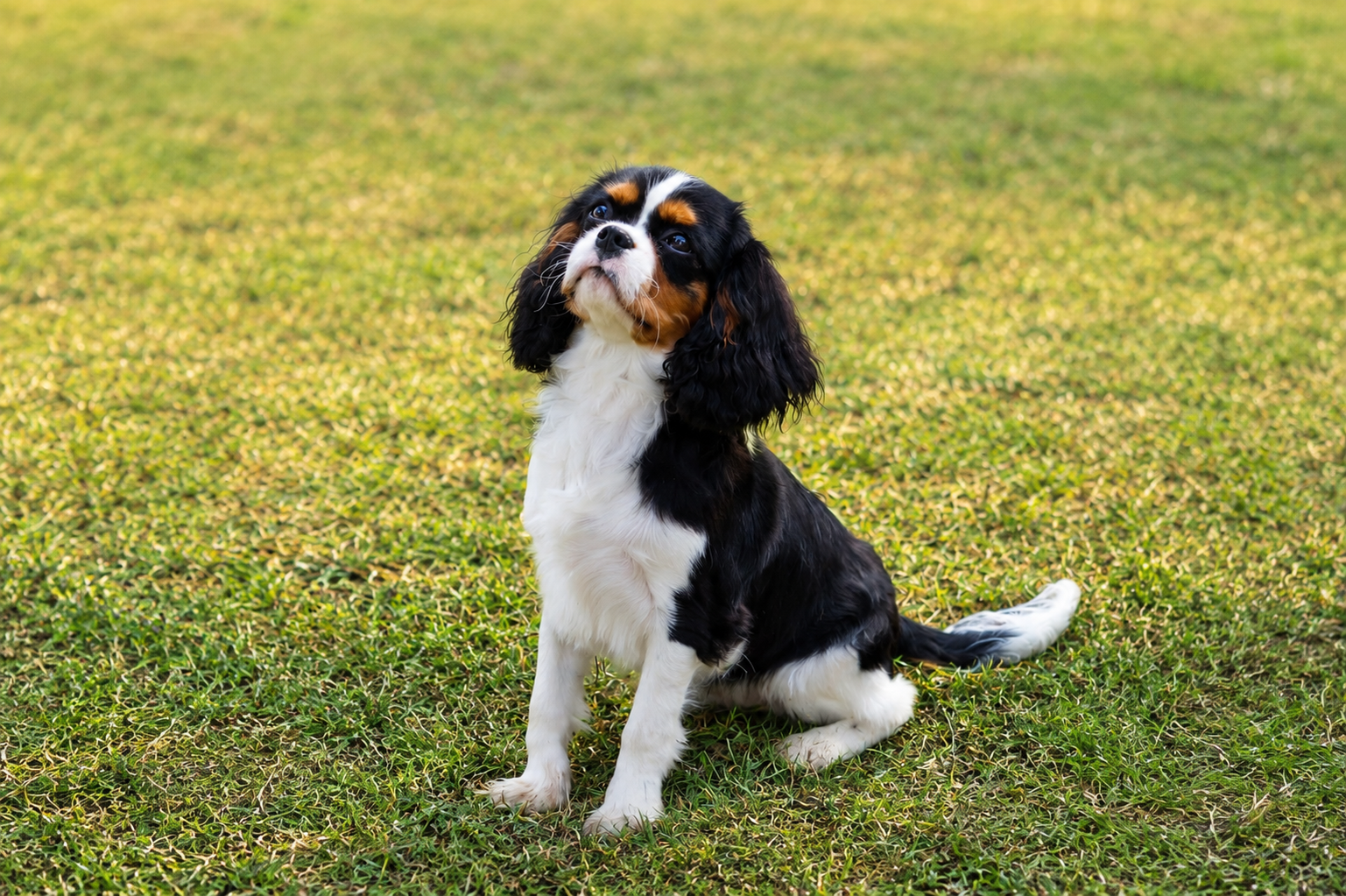
Pictured: Adelaide, Tricolour
Photo Credit: Carol Yates
What Is a Breed Standard?
A breed standard is an official document describing the ideal example of a breed.
It provides guidance on:
Temperament
Size and proportions
Head and expression
Eyes
Ears
Coat
Colour
Movement
Structure
Overall balance
In Australia, the Cavalier King Charles Spaniel is judged against the Dogs Australia (ANKC) Breed Standard, which is based on the standard developed by The Kennel Club (United Kingdom), the breed's country of origin.
Why Does the Breed Standard Matter?
The breed standard exists to preserve the qualities that make the Cavalier King Charles Spaniel unique. Without a recognised standard, the breed would gradually lose the characteristics that have made it one of the world's most beloved companion dogs.
The standard encourages breeders to preserve:
The Cavalier's gentle temperament.
Its distinctive appearance.
Sound movement and structure.
Overall balance.
Breed type.
It provides a common goal for responsible breeders around the world.
Temperament Comes First
One of the Cavalier's defining characteristics is its temperament. The breed standard describes the Cavalier as: "Sporting, affectionate, absolutely fearless." This reflects the breed's history as both a small sporting spaniel and a devoted companion.
A well-bred Cavalier should be:
Friendly.
Gentle.
Confident.
Affectionate.
Adaptable.
Happy to meet people and other dogs.
Aggression, nervousness or excessive shyness are not considered typical breed characteristics.
Head and Expression
The Cavalier's sweet, gentle expression is one of its most distinctive features.
The ideal head includes:
A slightly rounded skull.
A shallow stop.
A well-tapered muzzle.
Dark, round eyes.
Long, well-feathered ears set high on the head.
Combined, these features create the soft, melting expression that Cavalier enthusiasts know and love.
Size and Balance
The Cavalier should be a well-balanced toy spaniel that is neither coarse nor delicate. The breed standard specifies an ideal weight of approximately 5.4 to 8 kilograms.
More important than weight alone is overall balance and proportion. Every part of the dog should complement the whole, giving an impression of elegance without exaggeration.
Coat and Colour
The Cavalier's silky coat is one of the breed's defining characteristics.
It should be:
Long and silky.
Free from curls.
Naturally flowing.
Well feathered.
The breed standard recognises only four colours:
Blenheim
Tricolour
Black & Tan
Ruby
Each colour is equally correct and should never influence a judge's assessment of overall quality.
Movement
Movement reveals much about a dog's structure.
A well-constructed Cavalier should move:
Freely.
Elegantly.
With good reach in front.
Strong drive from behind.
Maintaining a level topline.
Correct movement reflects sound structure and efficient biomechanics.
What Judges Look For
In conformation shows, judges assess how closely each dog matches the breed standard.
They consider:
Overall balance.
Breed type.
Temperament.
Structure.
Movement.
Coat.
Condition.
Presentation.
Importantly, judges are not choosing the most beautiful dog—they are selecting the dog that most closely represents the ideal described in the breed standard.
Common Misconceptions
Many people believe dog shows are simply beauty contests. In reality, conformation shows evaluate breeding stock against the official breed standard.
Responsible breeders participate in showing because it provides independent assessment of how well their dogs conform to the characteristics that define the breed. Together with health testing and temperament evaluation, conformation helps guide responsible breeding decisions.
Why Breed Standards Benefit Pet Owners
Even if you never intend to show your dog, the breed standard still matters.
It helps ensure Cavaliers continue to possess the qualities owners cherish, including:
Their loving temperament.
Their gentle expression.
Their balanced structure.
Their beautiful coat.
Their athletic yet elegant movement.
Responsible breeders use the breed standard to preserve these qualities for future generations.