

So, You Want a Cavalier King Charles Spaniel Puppy?
Few breeds capture hearts quite like the Cavalier King Charles Spaniel. With their soulful eyes, affectionate nature and gentle temperament, Cavaliers are renowned for being loving family companions. They thrive on human companionship, adore being involved in everyday life and often form incredibly close bonds with their families.
If you are considering bringing a Cavalier King Charles Spaniel puppy into your life, congratulations! Choosing a puppy is an exciting journey. However, it is also a significant decision that deserves careful thought, research and planning.
At the Cavalier King Charles Spaniel Club of Queensland, our goal is to help prospective owners make informed decisions and find a healthy, well-bred puppy that will become a cherished family member for many years to come.
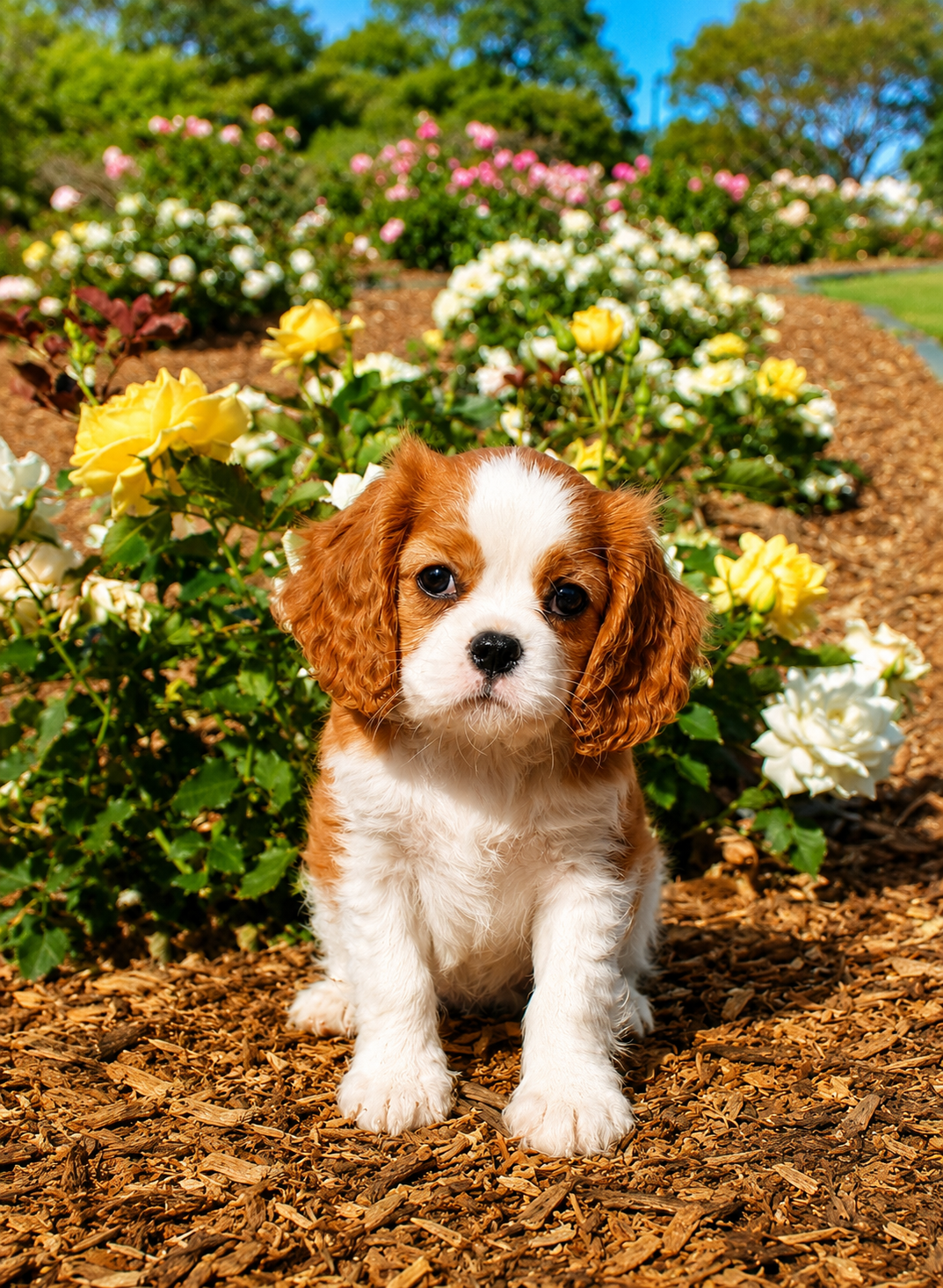
Pictured: Treasure, Cavalier King Charles Spaniel
Photo Credit: Cavalier King Charles Spaniel Club (Queensland).
Is a Cavalier Right for Your Lifestyle?
Before searching for a Cavalier King Charles Spaniel puppy for sale in Queensland or Australia, take some time to honestly consider whether this breed suits your lifestyle.
Cavaliers are companion dogs through and through. They were bred to be with people and generally do not cope well when left alone for long periods every day.
A Cavalier may be right for you if you:
Want an affectionate, people-oriented companion
Have time for daily interaction and companionship
Enjoy including your dog in family activities
Can provide regular exercise and mental stimulation
Are committed to ongoing grooming and healthcare
Are financially prepared for routine and unexpected veterinary care
A Cavalier may not be the ideal breed if you:
Are away from home for extended periods every day
Want a highly independent dog
Prefer a low-maintenance breed
Are unable to commit to training, enrichment and socialisation
Are not financially prepared for potential health expenses
Understanding the Health Challenges of Cavalier King Charles Spaniels
Cavalier King Charles Spaniels are a wonderful breed, but they are also predisposed to several inherited health conditions. This makes selecting an ethical and responsible breeder absolutely essential.
Read Common health challenges of Cavalier King Charles Spaniels
Myxomatous Mitral Valve Disease (MMVD)
MMVD is the breed's most significant health concern and leading cause of death. It is a degenerative heart disease affecting the mitral valve and can eventually progress to heart failure. Cavaliers are particularly predisposed to developing this condition at a younger age than many other breeds. Research has demonstrated that careful breeding practices and heart screening protocols can reduce the prevalence of early-onset disease.
Chiari-like Malformation (CM) and Syringomyelia (SM)
These neurological conditions occur when the skull is too small for the brain, disrupting normal fluid flow around the spinal cord. In some dogs this can result in painful fluid-filled cavities within the spinal cord.
Signs may include:
Sensitivity around the head or neck
Air scratching
Facial rubbing
Pain
Reluctance to jump
Changes in movement
Unexplained vocalisation
MRI screening is currently the most reliable method of assessing breeding dogs for these conditions.
Episodic Falling Syndrome (EFS)
A hereditary neurological condition causing episodes of muscle stiffness and abnormal movements. DNA testing is available.
Curly Coat Dry Eye Syndrome (CCDE)
A serious inherited condition affecting the eyes, skin and coat. DNA testing is available, which it i why it is essential that you ask your breeder for proof of DNA testing and health testing.
Eye Conditions
Cavaliers may also be predisposed to certain inherited eye disorders, including juvenile cataracts and other ophthalmic conditions.
Orthopaedic Conditions
Luxating patella and other orthopaedic concerns can also occur in the breed.
What Kind of Lifestyle Does a Cavalier Need?
Cavalier King Charles Spaniels are adaptable dogs and can happily live in apartments, townhouses or large homes, provided their emotional and physical needs are met.
Cavaliers need:
Companionship
Above all else, Cavaliers need their people. They thrive when included in family life and generally prefer being wherever you are.
They often suffer from separation anxiety if left at home alone for long periods of time.
Exercise
Despite their reputation as lap dogs, Cavaliers are active little dogs that enjoy:
Daily walks
Sniffing adventures
Training games
Enrichment activities
Playing with toys
Social interactions
Mental Stimulation
Cavaliers are intelligent and benefit from activities that engage their brains, including:
Food puzzles
Scent games
Trick training
Treat hunts
Interactive toys
Dog sports
Safe and Secure Environment
A good environment for a Cavalier includes:
Safe, secure fencing - Cavaliers are curious and a lot are escape artists.
Comfortable indoor living
Climate-controlled spaces during extreme weather
Soft resting places
Opportunities for social interaction
Plenty of human companionship
Understanding the Stages of Cavalier Puppyhood
8–12 Weeks
Your puppy is learning about the world. Positive experiences, gentle handling and socialisation are extremely important during this period.
3–6 Months
Your puppy becomes increasingly curious and confident. This is an excellent time to continue:
Positive training
Socialisation
Exposure to new environments
Grooming routines
Building good habits
6–12 Months
Your Cavalier enters adolescence. They may test boundaries and become more independent while still needing guidance and consistency.
12 Months and Beyond
Your puppy transitions into adulthood but will continue to benefit from training, enrichment and companionship throughout life.
Read: Undertanding the life stages of a Cavalier King Charles Spaniel and The life expectancy of a Cavalier
Why Choosing the Right Breeder Matters
A responsible breeder is not simply someone who breeds puppies.
A responsible breeder is a dedicated custodian of the breed who:
Prioritises health above profit
Undertakes recommended health testing
Carefully researches pedigrees
Selects breeding combinations thoughtfully
Raises puppies in a nurturing environment
Provides lifelong support to puppy owners
Is transparent and willing to answer questions
Read: What is an ethical and responsible breeder of Cavalier King Charles Spaniels
Questions to Ask a Cavalier Breeder
A good breeder welcomes questions.
Ask:
Have both parents undergone annual heart examinations by a veterinary cardiologist?
Have the parents been MRI screened for Chiari-like Malformation and Syringomyelia?
Have the parents been DNA tested for Episodic Falling Syndrome and Curly Coat Dry Eye Syndrome?
Have eye examinations been performed?
May I see copies of health certificates and testing results for the above mentioned?
What are the temperaments of the parents like?
How are the puppies raised and socialised?
What support do you provide after I take my puppy home?
Will you always take the dog back if circumstances change? The answer should always be yes!
Responsible breeders are usually delighted to discuss their health testing and breeding philosophy.
Where Can I Find an Ethical and Responsible Cavalier Breeder?
You may want to start by searching the Cavalier King Charles Spaniel Club of Queensland Breeder Directory.
Our breeder directory connects prospective owners with breeders who are passionate about the breed and committed to preserving the health, welfare and temperament of the Cavalier King Charles Spaniel.
While inclusion in any directory should never replace your own research and due diligence, it provides an starting point when looking for a Cavalier puppy in Queensland or elsewhere in Australia.
Remember to ask questions, and ask for evidence of testing.
Read: Questions to ask breeders and red flag answers.
If you are unsure where to begin, have questions about health testing or would simply like guidance throughout the process, contact our Puppy Co-ordinator for free advice.
A Lifetime of Love Begins With One Important Decision
A Cavalier King Charles Spaniel will bring immeasurable joy, affection and companionship to your life. However, choosing your puppy carefully is one of the most important decisions you will ever make as a dog owner.
Take your time. Ask questions. Learn about the breed's health challenges. Seek evidence of health testing. Choose a breeder who places the welfare of their dogs above all else.
A well-bred, well-socialised and carefully raised Cavalier puppy gives you the best possible opportunity to enjoy many wonderful years with one of the world's most loving and devoted companion dogs.
Disclaimer
The information provided in the Cavalier Knowledge Centre is intended for general educational purposes only and is not a substitute for veterinary advice, diagnosis or treatment.