

Annual Health Tests
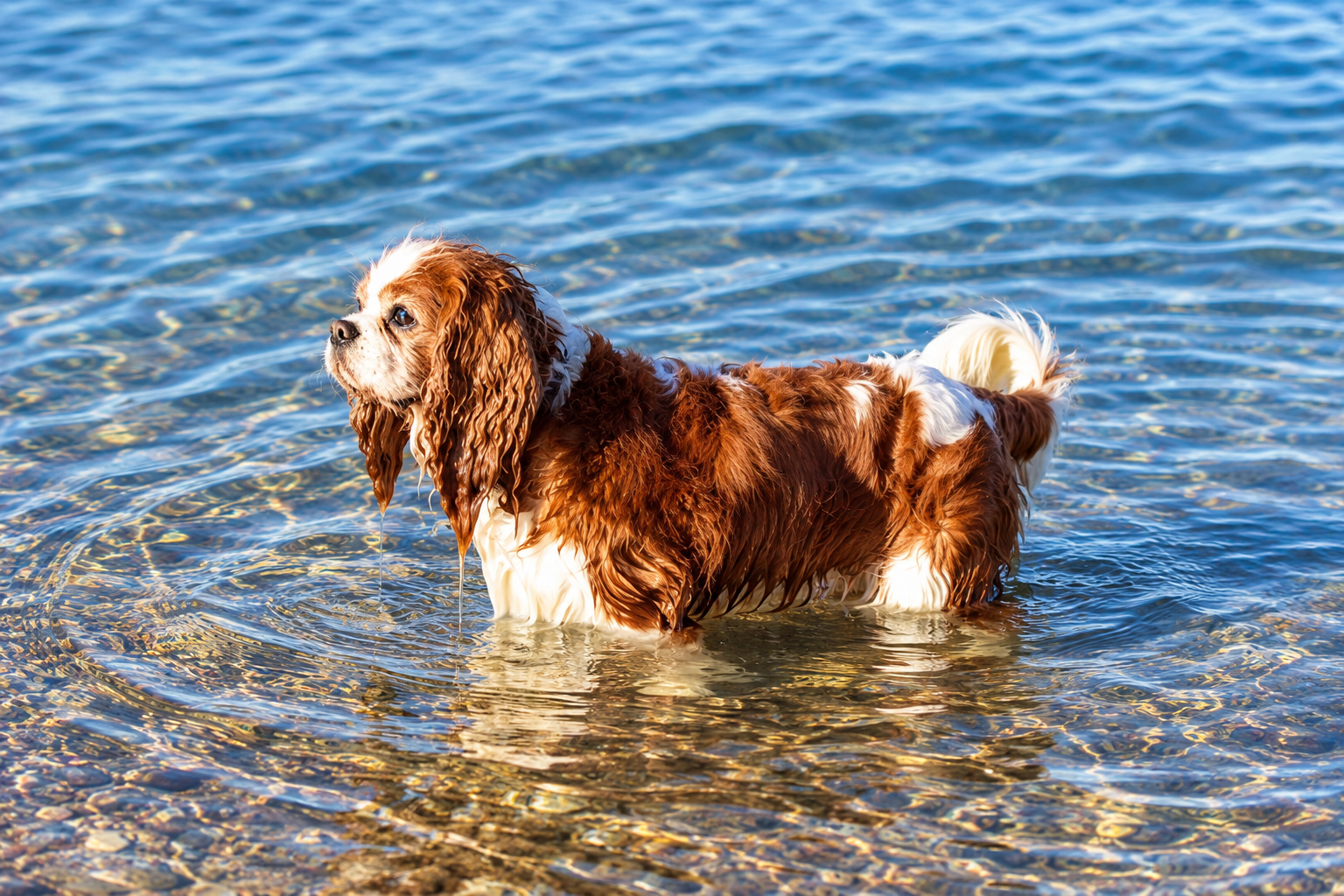
Annual Health Checks for Your Cavalier King Charles Spaniel
Pictured: Treasure, Blenheim Cavalier King Charles Spaniel
Photo credit: Cavalier King Charles Spaniel Club (Queensland)
An annual health check is one of the most important things you can do to help protect your Cavalier King Charles Spaniel's health and wellbeing.
A Cavalier may appear perfectly healthy at home while subtle changes are already developing. Dogs can be remarkably stoic and may hide signs of pain or illness until a condition has progressed.
A veterinary health check provides an opportunity to assess your Cavalier from nose to tail, identify potential problems early and develop a preventative healthcare plan suited to their age, lifestyle, breed and individual needs. Importantly, an annual health check is not simply a vaccination appointment.
Even when a dog does not require a vaccination every year, veterinary organisations recommend regular health examinations. The Australian Veterinary Association strongly recommends an annual health check even when an animal is not being vaccinated.
For Cavaliers, these examinations are particularly important because of the breed's known predisposition to certain cardiac, neurological, eye, orthopaedic, dental and other health conditions.
What is an annual health check?
An annual health check is a preventative veterinary examination designed to assess your dog's overall health and identify potential problems before they become more serious.
During the appointment, your veterinarian will consider your Cavalier's:
physical health
weight and body condition
heart and respiratory system
teeth and gums
eyes and ears
skin and coat
muscles and joints
neurological function
digestive health
reproductive health
behaviour and wellbeing
diet and nutrition
exercise
parasite prevention
vaccination requirements
lifestyle and environmental risks.
The precise examination and any recommended testing will depend on the individual dog. WSAVA's current wellness guidance recommends at least one veterinary check-up each year, with more frequent visits for very young dogs, older dogs and dogs with chronic illness.
Why are annual health checks important?
Dogs cannot tell us when something is wrong
One of the greatest challenges in veterinary medicine is that dogs cannot tell us that something hurts or that they do not feel quite right. They may continue eating, playing and interacting with their family despite developing health problems.
RSPCA Australia explains that animals can be remarkably resilient and may hide symptoms, meaning that subtle changes can sometimes indicate a more significant underlying problem. A veterinary examination can therefore identify changes that may not yet be obvious at home.
Early detection can make a difference
A health check does not guarantee that disease will be detected early, and not every condition can be identified through a routine examination. However, regular examinations give your veterinarian an opportunity to compare your Cavalier's health over time.
This can be particularly useful when your veterinarian notices:
a change in heart sounds
gradual weight gain
dental disease
a new lump
changes in muscle condition
reduced joint mobility
changes in breathing
skin abnormalities
changes in eye appearance
subtle neurological signs
changes in behaviour.
Identifying a change does not necessarily mean that your dog has a serious disease. It simply means that further investigation may be appropriate.
Why annual health checks are especially important for Cavaliers
Cavalier King Charles Spaniels are a wonderful breed, but they are predisposed to several inherited and breed-associated health conditions. This makes preventative healthcare particularly important.
Dogs Australia recommends health testing of breeding Cavaliers for conditions including heart disease, eye abnormalities, Curly Coat/Dry Eye Syndrome, Episodic Falling Syndrome and, where available, MRI screening for Syringomyelia.
Importantly, health testing breeding dogs and routine health checks of individual Cavaliers are not the same thing. A Cavalier can come from health-tested parents and still develop health problems during its lifetime. Likewise, an annual veterinary examination cannot replace the health testing required of responsible breeders. Both have an important role.
Your Cavalier's heart
Heart health deserves particular attention in the Cavalier King Charles Spaniel. The breed has a significant predisposition to myxomatous mitral valve disease (MMVD). During a routine examination, your veterinarian will listen carefully to your Cavalier's heart using a stethoscope.
They may be listening for:
a heart murmur
changes in heart rhythm
abnormal heart sounds
changes in heart rate.
A heart murmur does not automatically mean that your Cavalier has severe heart disease. However, if a murmur or other concern is detected, your veterinarian may recommend further investigation.
This may include diagnostic testing such as:
echocardiography
chest radiographs
electrocardiography
blood pressure measurement
blood tests
other investigations depending on the individual dog.
A normal heart examination today does not mean your Cavalier will never develop heart disease. Regular examinations provide an opportunity to detect changes over time.
Your Cavalier's teeth and gums
Dental health should form part of every routine health examination.
Your veterinarian will examine your Cavalier's:
teeth
gums
mouth
tongue
oral tissues
bite and dental alignment.
Dental disease is extremely common in dogs and can cause pain and other health problems. RSPCA Australia recommends regular dental care at home as well as veterinary dental examinations. A complete dental examination and appropriate treatment may sometimes require general anaesthesia and dental radiographs.
Your veterinarian can also advise you about:
toothbrushing
suitable dental products
dental chews
diet
plaque and tartar
when professional dental treatment may be necessary.
Weight and body condition
Your Cavalier's weight should be monitored throughout their life. Being overweight can place additional stress on the body and may contribute to a range of health problems.
At the annual health check, your veterinarian can assess:
body weight
body condition score
muscle condition
diet
treats
exercise
calorie requirements.
A healthy weight is not determined simply by the number displayed on the scales. Two Cavaliers can weigh the same amount but have very different body compositions.
Your veterinarian can show you how to assess your dog's body condition. RSPCA Australia recommends regular veterinary visits as an opportunity to assess whether a dog's diet and exercise remain appropriate.
Eyes and ears
Your veterinarian will generally examine your Cavalier's eyes and ears as part of the physical examination.
They may look for:
Eyes
redness
discharge
cloudiness
irritation
changes in the lens
abnormalities of the eye surface
signs of discomfort
other changes requiring investigation.
Ears
redness
inflammation
discharge
odour
excessive wax
evidence of infection
signs of discomfort.
Cavaliers can be prone to ear problems because of their ear anatomy, so regular monitoring is particularly worthwhile. If you notice your Cavalier repeatedly scratching their ears, shaking their head or showing sensitivity around the ears, do not wait for the annual appointment.
Skin and coat
Your veterinarian can also examine your Cavalier's skin and coat.
They may identify:
parasites
allergies
dermatitis
infections
lumps
hair loss
skin irritation
changes in coat quality.
Your veterinarian can also discuss grooming and skin-care requirements. Any new lump, unexplained wound, persistent itchiness or significant change in the skin or coat should be assessed rather than waiting for the next annual appointment.
Muscles, joints and mobility
Your veterinarian may assess your Cavalier's:
gait
posture
muscle condition
range of motion
joints
limbs
spine
hips
knees.
They may look for signs of:
arthritis
joint pain
muscle loss
patellar luxation
reduced mobility
discomfort.
Don't assume slowing down is simply "old age"
If an older Cavalier becomes less enthusiastic about walking, climbing stairs, jumping onto furniture or playing, it is worth discussing with your veterinarian. Reduced activity can sometimes be an indication of pain.
Neurological health
A routine examination can also include a basic neurological assessment.
Your veterinarian may observe:
gait
balance
coordination
posture
reflexes
responses to touch
signs of pain or sensitivity.
This is particularly relevant to Cavalier owners because the breed can be affected by neurological conditions including Chiari-like malformation and syringomyelia.
An annual examination cannot diagnose every neurological disorder, and specialised investigations such as MRI may be required when clinically indicated. However, identifying concerning symptoms early can help your veterinarian determine whether further investigation is warranted.
Behaviour and mental wellbeing
A health check should not only consider your Cavalier's physical health.
Your veterinarian may also ask about changes in:
temperament
anxiety
sleep
appetite
interaction with people
interaction with other dogs
activity levels
toileting
vocalisation
separation behaviour
general happiness.
A sudden behavioural change can sometimes be associated with pain or illness. For example, a previously friendly dog becoming unusually irritable may be experiencing discomfort. Likewise, a dog that becomes withdrawn or sleeps substantially more than usual may warrant further investigation.
Appetite and digestive health
Your veterinarian may ask about your Cavalier's:
appetite
food
treats
drinking
vomiting
diarrhoea
constipation
stool quality
changes in weight.
Even seemingly minor changes can be useful information. If your Cavalier's appetite, drinking or bowel habits have changed, mention this during the appointment.
Vaccinations
Vaccination is an important part of preventative healthcare, but vaccination schedules should be based on current veterinary recommendations and your dog's individual circumstances. Modern vaccination guidelines do not mean that every dog necessarily needs every vaccine every year.
The 2024 WSAVA vaccination guidelines recommend tailoring vaccination to the individual dog and distinguishing between core and non-core vaccines. This is why the annual health check should not be viewed simply as an annual "vaccination appointment".
Your veterinarian can determine:
which vaccines are due
whether your Cavalier requires non-core vaccines
what infectious disease risks apply to their lifestyle
whether vaccination timing should be adjusted
whether other preventative healthcare is required.
RSPCA Australia specifically recommends annual or more frequent health checks even when a dog is not being vaccinated every year.
Parasite prevention
Your veterinarian should also discuss parasite prevention.
Depending on where you live and your Cavalier's lifestyle, this may include prevention or monitoring for:
heartworm
intestinal worms
fleas
ticks
other parasites.
Parasite risk varies according to geography, climate, lifestyle and exposure. A Cavalier that spends considerable time outdoors, attends dog parks, travels, goes camping or regularly interacts with other dogs may have different risks from a dog with a predominantly indoor lifestyle. Your veterinarian can develop a parasite-control plan based on those risks.
Should my Cavalier have blood tests every year?
Not necessarily. There is no single blood-testing schedule that is appropriate for every healthy dog.
Your veterinarian may recommend blood and/or urine testing depending on:
age
breed
medical history
medications
symptoms
previous results
risk factors
findings during the physical examination.
WSAVA's current wellness guidance notes that blood and urine testing may be considered during health checks and that testing generally becomes more important as dogs age and the risk of chronic disease increases.
For a healthy young adult Cavalier, your veterinarian may decide that routine laboratory testing is not necessary at every annual visit. For an older Cavalier, more frequent screening may be appropriate.
What about senior Cavaliers?
As your Cavalier gets older, annual health checks become even more important. In fact, senior dogs may benefit from veterinary examinations more frequently than once a year. WSAVA recommends more frequent clinical examinations for older animals and animals with chronic illness.
Your veterinarian may recommend:
six-monthly examinations
regular blood tests
urinalysis
blood pressure assessment
dental assessment
cardiac monitoring
weight and muscle monitoring
mobility assessment
additional diagnostic imaging where appropriate.
There is no single age at which every Cavalier becomes a "senior". Your veterinarian can help determine when a more intensive senior-care approach is appropriate.
What should I tell my veterinarian?
You know your Cavalier better than anyone.
Before the appointment, think about whether you have noticed any changes in:
Eating and drinking
☐ Appetite
☐ Water consumption
☐ Weight
Behaviour
☐ Anxiety
☐ Irritability
☐ Sleeping
☐ Interaction with people
☐ Interaction with dogs
Physical health
☐ Coughing
☐ Breathing
☐ Exercise tolerance
☐ Limping
☐ Stiffness
☐ Scratching
☐ Ear problems
☐ Eye discharge
☐ Lumps
Toilet habits
☐ Urination
☐ Defecation
☐ Changes in stool
☐ Increased frequency
Don't worry that a symptom seems too minor to mention.
Small changes can provide useful information to your veterinarian.
What should you take to the appointment?
It can be helpful to bring:
your Cavalier's vaccination record
current medication information
parasite-prevention information
details of their diet
information about supplements
previous veterinary records if changing clinics
a list of questions
videos or photographs of unusual behaviour if you have noticed something at home.
Videos can be particularly useful if your Cavalier has an intermittent cough, unusual movement, episode of weakness or other symptom that does not occur during the appointment.
Don't wait for the annual check if something changes
An annual health check is not a substitute for veterinary care when your Cavalier is unwell. Contact your veterinarian sooner if you notice a significant change in your dog's health.
Seek prompt veterinary attention for symptoms such as:
difficulty breathing
collapse
severe weakness
repeated vomiting
severe diarrhoea
inability to urinate
seizures
severe pain
sudden neurological changes
significant bleeding
suspected poisoning
serious injury.
If you are unsure whether something is an emergency, contact your veterinary clinic for advice.
Annual health checks at different life stages
Cavalier puppies
Puppies generally need veterinary visits more frequently than once a year.
During the first year, appointments may include:
vaccination
growth assessment
weight monitoring
parasite prevention
nutrition
dental development
teething
socialisation
behaviour
training
desexing discussions
microchip and registration information.
Your veterinarian can establish an appropriate schedule for your puppy.
Young adult Cavaliers
Once your Cavalier reaches adulthood, regular preventative examinations remain important.
The focus may include:
maintaining healthy weight
dental health
heart assessment
vaccination
parasite prevention
exercise
nutrition
reproductive health
behaviour
early detection of disease.
Mature and senior Cavaliers
As your Cavalier ages, the emphasis may increasingly shift towards early detection and management of chronic disease. Your veterinarian may recommend more frequent visits and additional diagnostic testing. This is particularly important if your Cavalier has an established health condition.
A health check is more than a checklist
It is tempting to think of an annual health check as simply:
Weight → heart → teeth → vaccination → home.
A good preventative veterinary appointment should be much more individualised. WSAVA's wellness principles emphasise a risk assessment that considers factors such as age, breed, lifestyle, activities, environment and individual health risks.
For example, your veterinarian may consider whether your Cavalier:
attends dog parks
travels
goes to dog shows
participates in dog sports
attends daycare
stays at boarding facilities
regularly swims
lives with other animals
takes medication
has chronic health conditions
is overweight
is elderly.
These factors can influence the preventative-care plan.
Your Cavalier's annual health-check checklist
Before the appointment
☐ Make a list of any changes you've noticed.
☐ Record your dog's current food and treats.
☐ Note all medications and supplements.
☐ Check when parasite prevention was last administered.
☐ Check your vaccination records.
☐ Take videos of any unusual symptoms.
☐ Write down questions you want to ask.
During the appointment
☐ Complete physical examination.
☐ Heart and respiratory assessment.
☐ Weight and body-condition assessment.
☐ Dental examination.
☐ Eye and ear examination.
☐ Skin and coat examination.
☐ Musculoskeletal assessment.
☐ Neurological assessment where appropriate.
☐ Discuss nutrition.
☐ Discuss exercise.
☐ Discuss parasite prevention.
☐ Review vaccination requirements.
☐ Discuss behaviour and wellbeing.
☐ Discuss any breed-specific concerns.
☐ Determine whether blood, urine or other diagnostic testing is appropriate.
After the appointment
☐ Follow your veterinarian's recommendations.
☐ Keep vaccination and medical records updated.
☐ Continue preventative treatments as directed.
☐ Monitor your Cavalier at home.
☐ Book the next appointment if recommended.
In Conclusion…
An annual health check should be considered an essential part of your Cavalier King Charles Spaniel's preventative healthcare, not simply a vaccination appointment. Regular veterinary examinations allow your veterinarian to monitor your Cavalier over time, assess their individual risk factors and identify changes that may warrant further investigation.
For Cavaliers, particular attention to heart health, dental health, weight, mobility, neurological health, eyes, ears and general wellbeing is especially valuable. Puppies will generally need veterinary visits more frequently than once a year, while older Cavaliers and dogs with chronic conditions may also benefit from more frequent examinations. And remember: You know your Cavalier best.
If something changes between annual appointments, even if the change seems small, don't wait until the next scheduled health check. Contact your veterinarian. Regular veterinary care, combined with attentive observation at home, appropriate nutrition, exercise, preventative healthcare and responsible breeding practices, can help give your Cavalier the best possible chance of enjoying a long and healthy life.
References
Australian Veterinary Association. (n.d.). Vaccination of dogs and cats.
Dogs Australia. (n.d.). What to look for when buying a Cavalier King Charles Spaniel puppy.
RSPCA Australia. (n.d.). Can you give me some advice on caring for my dog? RSPCA Knowledgebase.
RSPCA Australia. (n.d.). The importance of regular vet checks for your pet.
RSPCA Australia. (n.d.). What vaccinations should my dog receive? RSPCA Knowledgebase.
RSPCA Australia. (n.d.). How should I take care of my cat or dog's teeth? RSPCA Knowledgebase.
RSPCA Australia. (n.d.). 4 ways to avoid obesity in your dog.
World Small Animal Veterinary Association. (2025). Principles of wellness.
World Small Animal Veterinary Association. (2024). 2024 guidelines for the vaccination of dogs and cats. Journal of Small Animal Practice, 65(5), 277–316.
Disclaimer
The information provided in the Cavalier Knowledge Centre is intended for general educational purposes only and is not a substitute for veterinary advice, diagnosis or treatment.